Quick Answer: Acrylic vs oil painting comes down to drying chemistry and climate fit. Acrylic dries fast, water-based, and resists Bali’s humidity better, while oil dries slowly, oil-based, and rewards patience with deeper blending and richer surface texture. In a tropical climate like Bali’s, acrylic is generally the lower-maintenance choice, while oil remains preferred by collectors who want the classic depth of finish it produces.
- Acrylic dries in minutes to hours, oil dries in days and fully cures over months.
- Acrylic tolerates Bali’s humidity better, oil needs more careful climate control.
- Oil allows longer blending time and often a richer, deeper surface finish.
- Price at Arts of Bali depends on size and technique, not medium alone.
- Both mediums appear across classical and contemporary work in the gallery.
Definition: Acrylic paint is a fast-drying, water-based medium that cures through evaporation, while oil paint is a slow-drying, oil-based medium that cures through oxidation, a chemical process that can take months to complete fully.
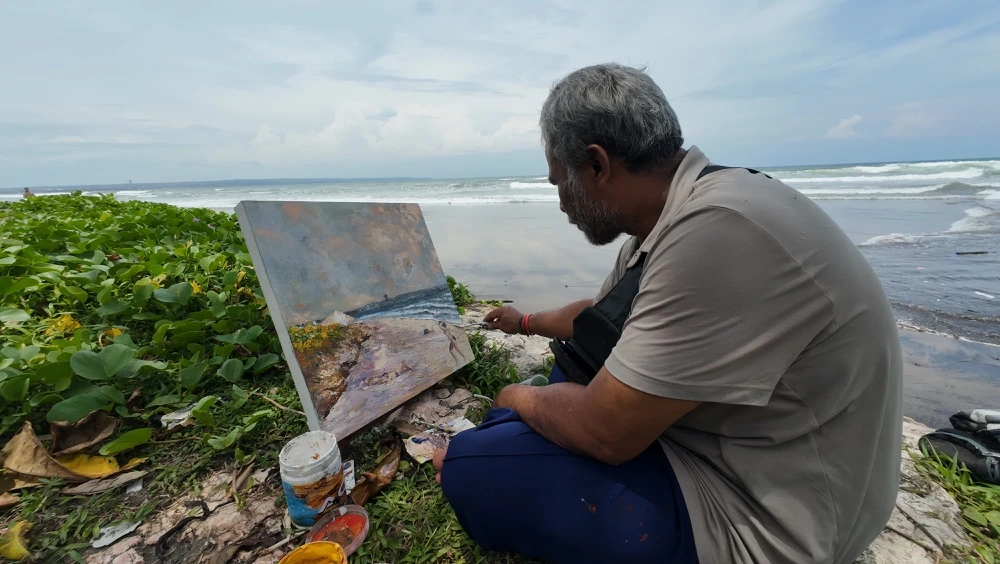
Acrylic vs oil painting is one of the first questions a first-time buyer runs into once they start looking seriously at original art, and in Bali it carries an extra layer most guides skip entirely: climate. Both mediums have been used by artists at Arts of Bali for years, from fine detail landscape work to thick palette-knife texture, and the honest answer is that neither one is simply “better.” They behave differently while wet, they age differently once hung, and they respond differently to the heat and humidity of a tropical island.
This guide compares the two mediums directly, drying time, texture, humidity resistance, and price, using real examples from the gallery floor rather than generic textbook descriptions, so you can decide which one actually fits your home and your climate.
What’s the Physical Difference Between Acrylic and Oil Paint?
Acrylic paint is pigment suspended in a water-based polymer emulsion. It thins with water, cleans up with water, and dries as the water evaporates out of the paint film. Oil paint is pigment suspended in a drying oil, traditionally linseed oil, and it cures through oxidation, a chemical reaction with air rather than simple evaporation. That single difference in chemistry is the root of almost every practical difference between the two, how long they take to dry, how they can be blended, and how they hold up over time.
Why This Changes How a Piece Is Made
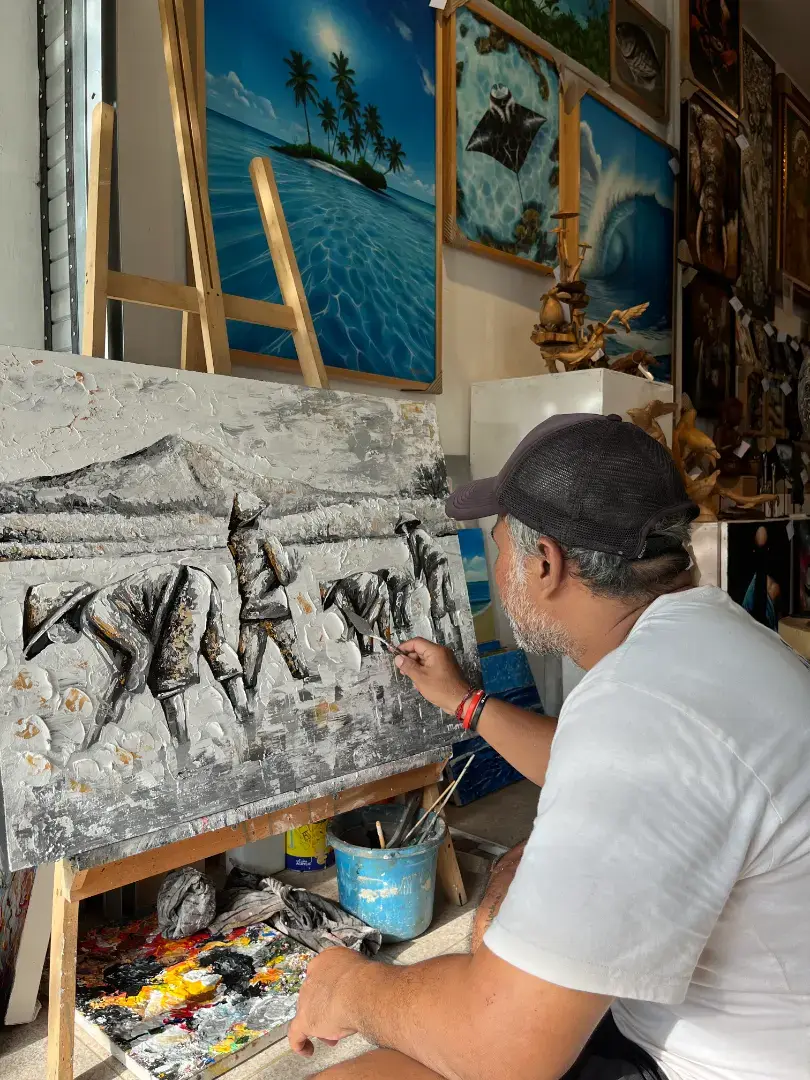
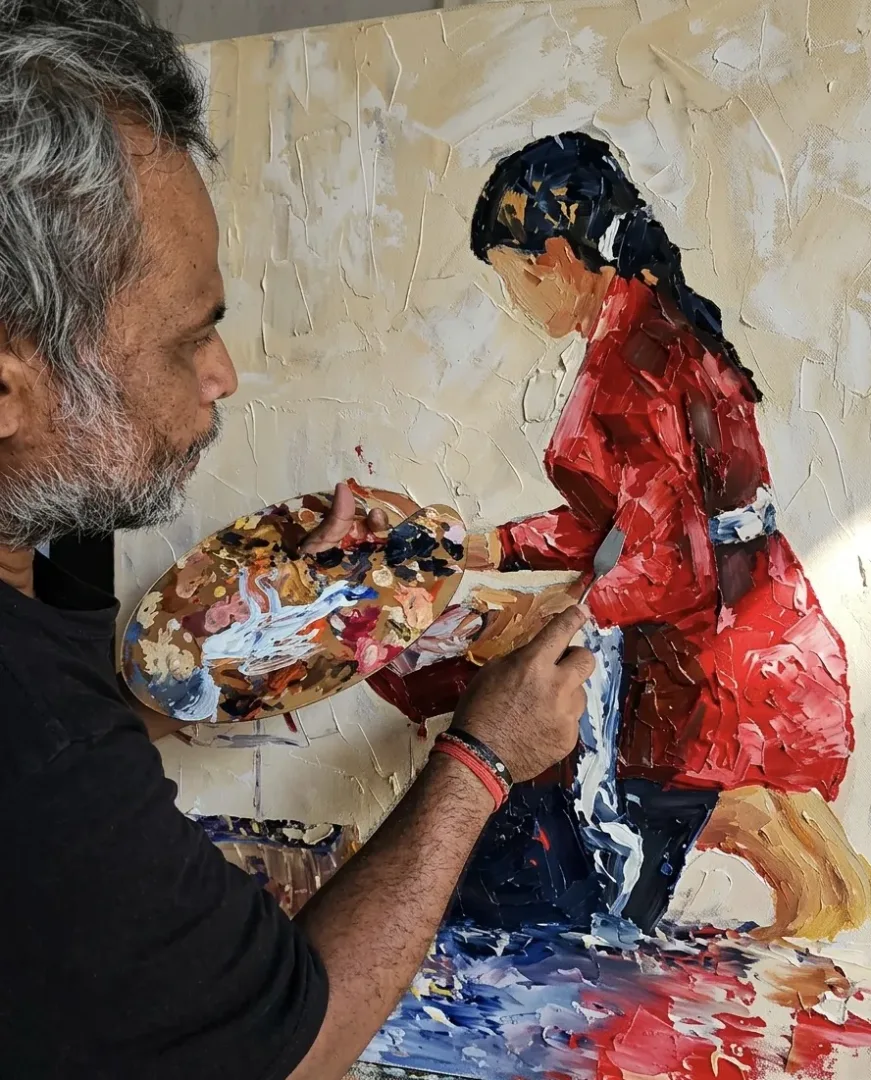
Because acrylic sets quickly, an artist working in acrylic has to commit to color and blending decisions fast, layer by layer, often building up texture in short working sessions. Oil’s slow set gives an artist more time to blend colors directly on the canvas, wet into wet, producing smoother gradients and, in the case of palette-knife impasto work, thicker sculptural ridges of paint that stay workable for hours instead of minutes.
How to Tell Which Medium You’re Looking At
From a few steps away, a well-made piece in either medium can look similar, so the distinction usually comes down to surface detail. A satin-to-matte, fairly uniform sheen with visible short, layered brush or knife marks generally points to acrylic. A deeper, glossier sheen with long, smoothly blended transitions between colors, or very thick ridges that hold a sculpted edge without cracking, generally points to oil. If it genuinely matters for your purchase, the fastest way to know for certain is simply to ask the gallery directly which medium a specific piece uses, since product descriptions do not always spell it out per piece.
Drying Time: Why It Matters More in Bali Than Anywhere Else
Acrylic paint is typically touch-dry within 10 to 60 minutes and fully cured within days to a couple of weeks, depending on layer thickness. Oil paint is touch-dry within one to a few days for a thin layer, but full cure through oxidation can take several months to a year for thicker applications. In most climates this is simply a matter of patience. In Bali, it matters more, because a painting that stays tacky longer is also exposed longer to the island’s ambient humidity, dust, and insects while it finishes curing.
This is one reason artists working in heavy oil impasto at Arts of Bali cure new pieces indoors, away from direct humidity, before they go on display. It is also why our separate canvas care guide exists specifically for owners who have already brought an oil piece home and need to manage that curing period correctly.
At a GlanceAcrylic vs Oil Painting in Bali’s Climate
The diagram below narrows the comparison to the four factors that matter most for a buyer deciding between the two mediums in a tropical setting.
Which Holds Up Better in Bali’s Humidity?
Once fully cured, both mediums are stable and can last for generations with reasonable care. The difference is mainly during the curing window and in long-term maintenance sensitivity. According to conservation guidance from the American Institute for Conservation, environmental neglect, not the medium itself, is the leading cause of art damage over time, which means climate control matters more than which paint was used in the first place.
That said, acrylic’s faster cure does give it a practical edge for buyers who plan to ship a piece internationally soon after purchase, or who live in an open-air villa without full climate control. Oil rewards buyers who can offer a stable, well-ventilated interior and want the richer surface finish oil is known for. Neither disqualifies the other, it is a question of how much environmental control your home actually offers.
Placement matters as much as medium once a piece is hung. Both acrylic and oil paintings should avoid direct sun and the direct airflow path of an air conditioning unit, since repeated shifts between cold, dry air and warm, humid air are what actually stress a canvas over time, not the medium itself. A newly purchased oil piece benefits from a few extra weeks indoors, away from strong airflow, simply to finish curing before it settles into its permanent spot on the wall.
Real ExamplesAcrylic and Oil Paintings You Can See at Arts of Bali Today
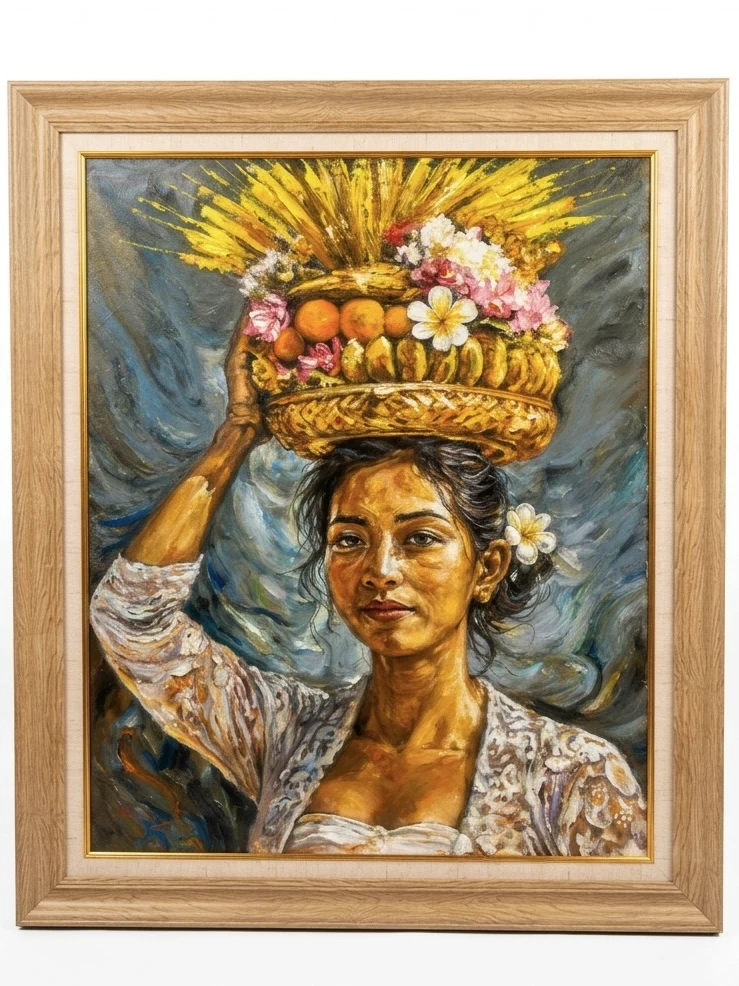
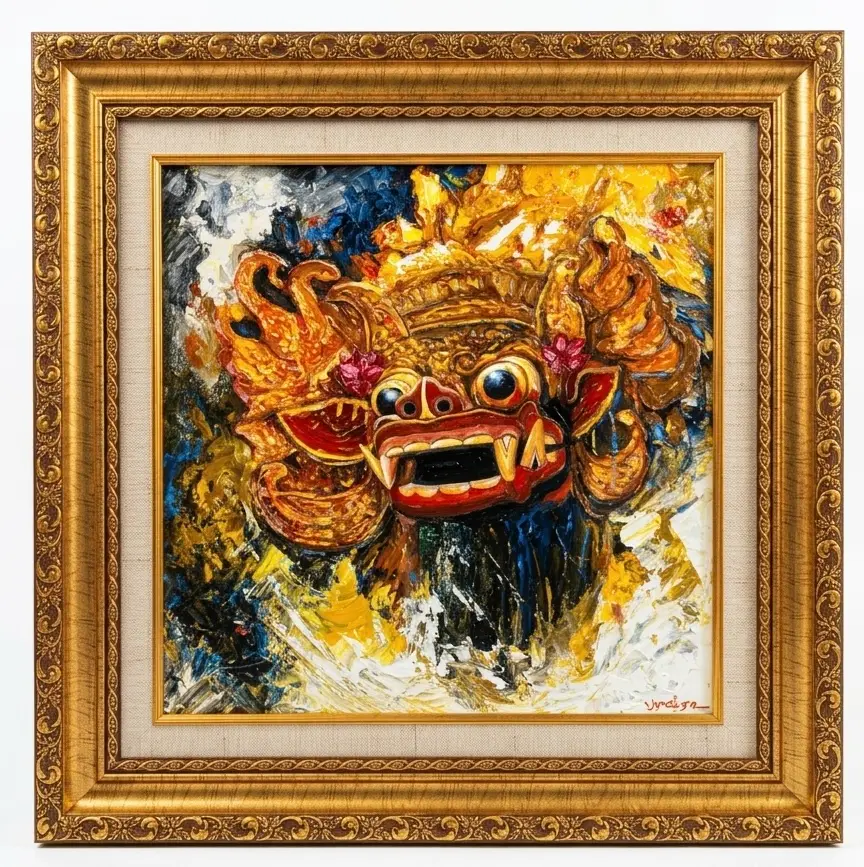
Rather than describing this in the abstract, here is what each medium actually looks like on the gallery floor right now. On the oil side, the Tropical Classic Realism Painting (90 x 120cm, Rp5,500,000) uses oil’s slow blending to build a soft, lifelike tropical landscape, while the Barong Dancing Painting (Rp850,000) shows the same medium at an entry price point.
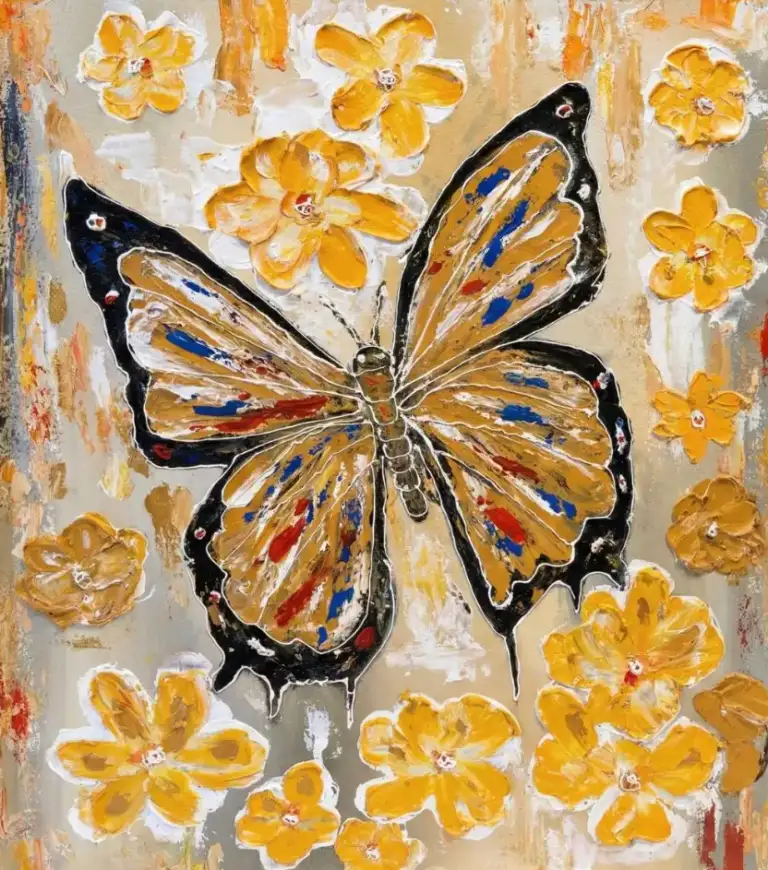
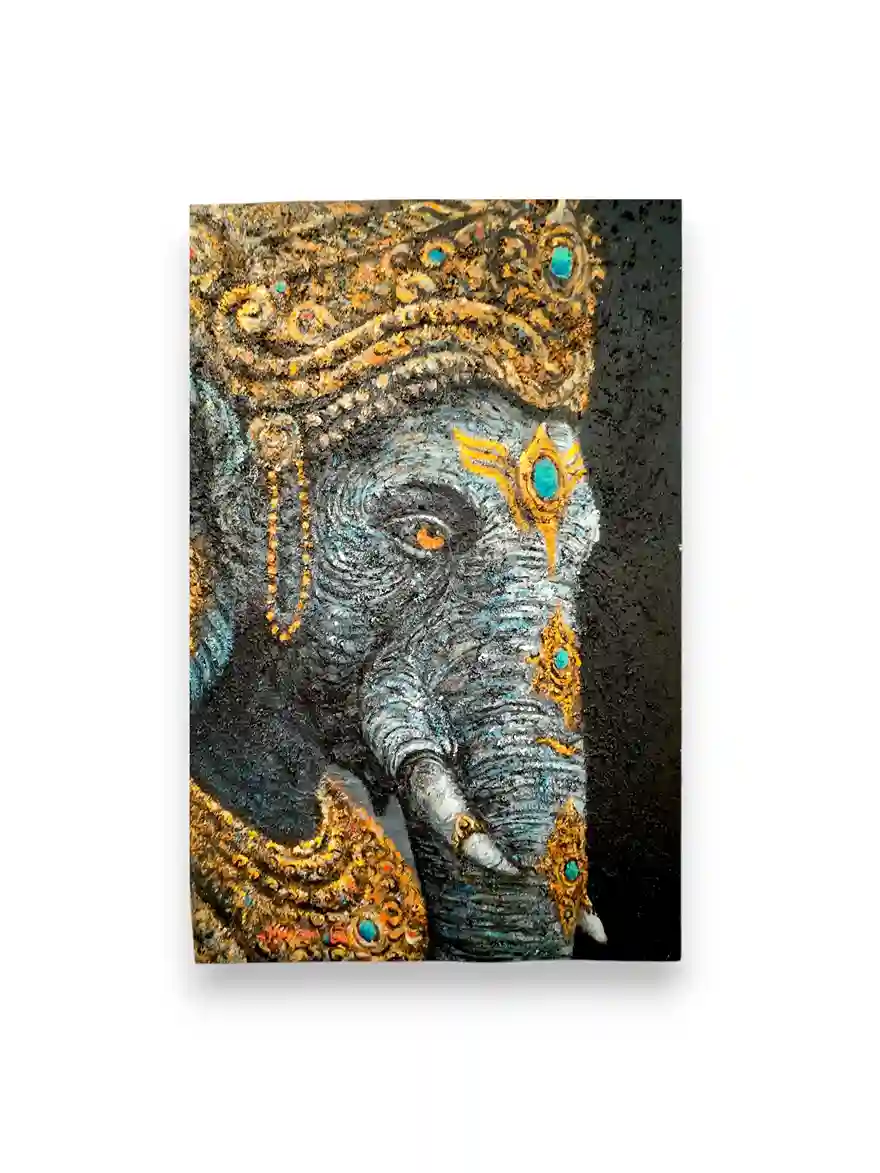
On the acrylic side, the Sacred Textured Ganesha Divinity Painting (Rp4,800,000) demonstrates how acrylic can still carry heavy surface texture despite its faster set, and the Paradise Beach Twilight Painting and Symphony of the Rice Terraces Painting (both Rp3,500,000) show the same medium used for softer landscape work. At the more accessible end, the Horizontal Rice Field Landscape Painting (Rp650,000) shows acrylic’s lower entry price for smaller pieces. For a fuller pricing breakdown across sizes and techniques, see our honest pricing guide.
Worth noting: our own product listings sometimes describe canvas construction as “professional-grade oils/acrylics on cotton canvas” as general material specification rather than naming the exact medium for every single piece. This is common practice across galleries, and it is exactly why the visual checks above, or simply asking, matter more than assuming from a product description alone.
Acrylic vs Oil Painting at a Glance
| Factor | Acrylic Painting | Oil Painting |
|---|---|---|
| Drying Time | 10-60 minutes touch-dry, days to weeks cured | 1-3 days touch-dry, months to fully cure |
| Humidity Resistance | Better, shorter exposure while curing | Needs more careful climate control while curing |
| Texture and Blending | Fast-set, bold graphic layering | Slow-set, smooth blending and deep impasto |
| Typical Price at Arts of Bali | Rp650,000 to Rp4,800,000 | Rp850,000 to Rp5,500,000 |
| Best For | Open-air villas, faster international shipping | Climate-controlled interiors, classic depth of finish |
Want to See Both Mediums Side by Side?
Message us before you visit and we can have an acrylic piece and an oil piece ready to compare in person, texture, finish, and price included.
WhatsApp the GalleryWhich Should You Actually Choose?
Choose acrylic if your home is open-air, only partially climate-controlled, or if you plan to ship the piece internationally shortly after buying it. Its faster cure gives you a wider safety margin during the period when a painting is most vulnerable to humidity and handling.
Choose oil if you have a stable, well-ventilated interior and want the smoother blending and richer depth oil is known for, especially for realism, portraiture, or heavy palette-knife texture. If you already own an oil piece or are about to bring one home, our canvas care guide covers exactly how to manage the curing period and long-term maintenance. For a broader look at how technique fits into Balinese art overall, see our complete guide to Balinese art, and for pieces built specifically around heavy texture, our textured painting guide and palette knife guide go deeper into that technique specifically.
FAQFrequently Asked Questions
What’s the difference between acrylic and oil painting?
Acrylic is a water-based paint that dries through evaporation, usually within minutes to hours. Oil is an oil-based paint that cures through oxidation, a slower chemical process that can take months. That difference in drying chemistry is the root of nearly every other practical difference between the two mediums.
Which dries faster, acrylic or oil paint?
Acrylic dries significantly faster. It is typically touch-dry within 10 to 60 minutes and fully cured within days to a couple of weeks. Oil paint is touch-dry within one to a few days for a thin layer, but full cure through oxidation can take several months for thicker applications.
Does Bali’s humidity affect oil paintings more than acrylic?
During the curing period, yes, oil is exposed to humidity for longer simply because it takes longer to cure. Once fully cured, both mediums are reasonably stable, and long-term damage is caused more by ongoing humidity and sunlight exposure than by the original medium used.
Is acrylic or oil painting more expensive?
At Arts of Bali, price depends mainly on size and technique rather than medium alone. Acrylic pieces currently range from Rp650,000 to Rp4,800,000, and oil pieces range from Rp850,000 to Rp5,500,000, with plenty of overlap between the two at similar sizes.
Can acrylic paintings be varnished like oil paintings?
Yes, acrylic paintings can be varnished, though the process and products differ slightly from oil varnishing. Because acrylic cures faster, it can typically be varnished sooner than an oil piece, which generally needs to fully dry, often six to twelve months, before varnishing.
Which is easier to maintain in a tropical climate?
Acrylic is generally easier to maintain in a tropical climate because it cures faster and tolerates humidity fluctuations better during that window. Oil is not high-maintenance once cured, but it benefits more from a stable, well-ventilated display space rather than an open-air setting.
Does Arts of Bali sell both oil and acrylic paintings?
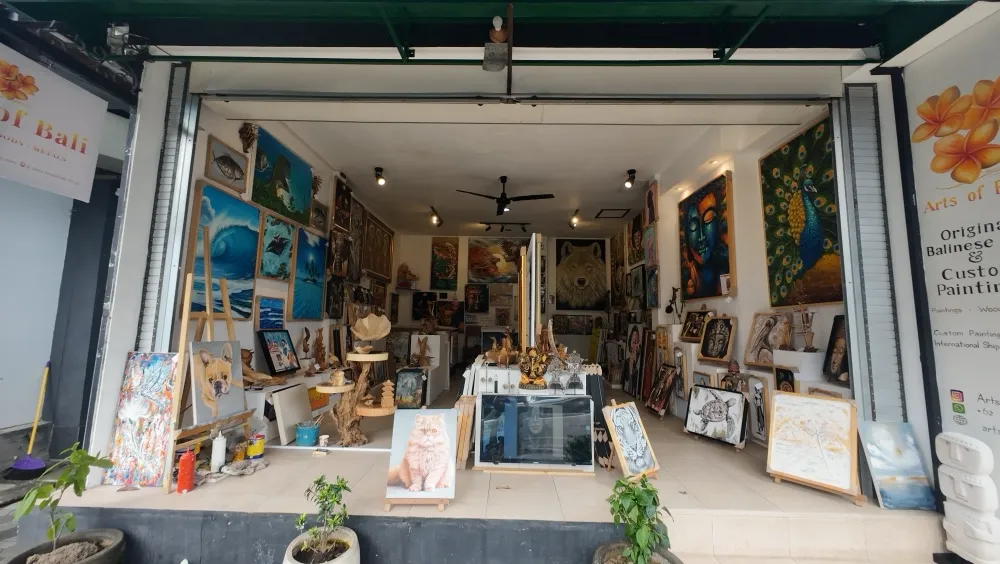
Yes. The gallery carries both mediums across multiple genres, from realism and landscape work in oil to textured spiritual and abstract pieces in acrylic. Resident artists work in both mediums on-site, so visitors can watch either technique being applied in person.
Which should I buy for a beach house or villa in Bali?
For an open-air or only partially climate-controlled villa, acrylic is generally the safer choice due to its faster cure and better humidity tolerance. For a fully enclosed, air-conditioned interior, oil is equally suitable and offers a richer surface finish for statement pieces.
See Both Mediums on the Gallery Floor
Arts of Bali carries original acrylic and oil paintings side by side, fixed pricing, resident artists working on-site, and full documentation for every piece.
WhatsApp the Gallery Browse the Acrylic Collection