
Canang Sari: Meaning, Parts and Etiquette in Bali

Canang sari is the small palm leaf offering that Balinese Hindus place every day at shrines, temples, doorways and on the ground, as an act of thanks to Sang Hyang Widhi Wasa. The word canang means a small woven tray and sari means essence, according to Wikipedia. This guide covers the parts of a canang […]
Pagerwesi Day in Bali: Date, Meaning and What Happens
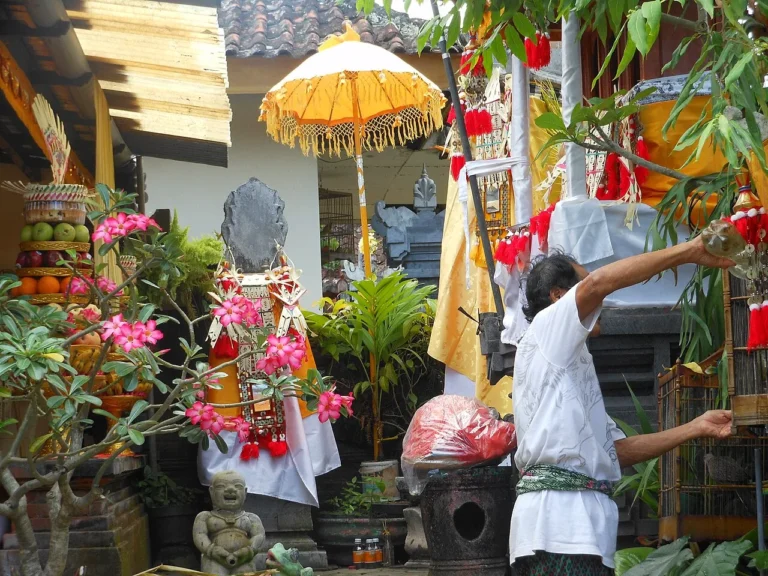
Pagerwesi day is a Balinese Hindu holy day held on Buda Kliwon wuku Sinta, a Wednesday in the 210 day Pawukon calendar, four days after Saraswati. In 2026 it falls on Wednesday 4 November. The name means “iron fence”, from pager (fence) and wesi (iron), and the day honors Sang Hyang Pramesti Guru, described by […]
Balinese Gamelan: Instruments, Ensembles and Sound Explained
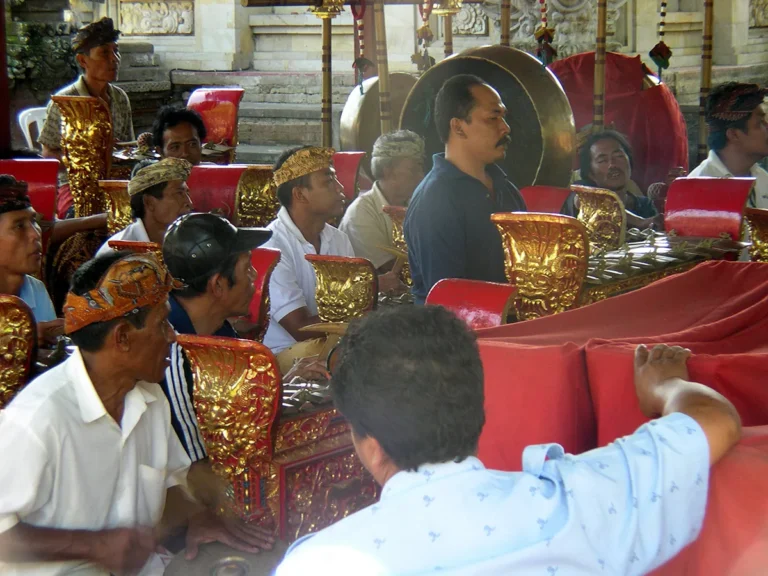
Balinese gamelan is the percussion orchestra of Bali, built mostly from tuned metal keys, gongs and drums and played in a style that Wikipedia calls strong and dynamic, with fast rhythms. UNESCO added gamelan to its Representative List of the Intangible Cultural Heritage of Humanity in 2021. This guide covers what a Balinese gamelan is, […]
Barong Dance: Bali’s Story of Barong, Rangda and the Kris
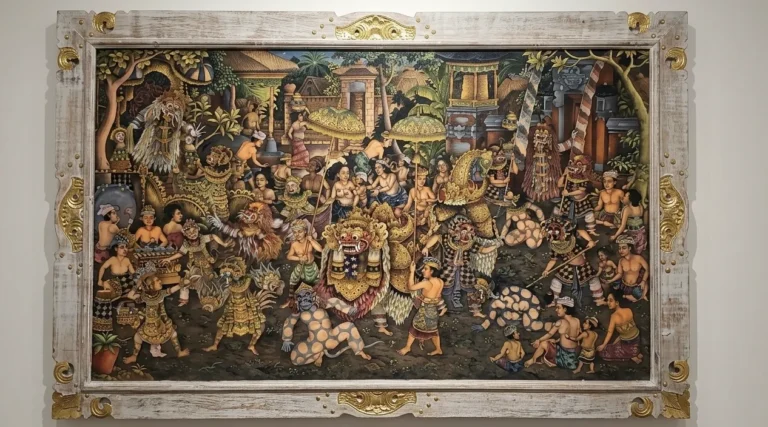
Barong dance is a Balinese dance-drama in which Barong, the lion-like king of the spirits, fights Rangda, the demon queen of the leyaks. Wikipedia describes it as the eternal battle between good and evil, and the best-known staging includes a kris scene where entranced dancers turn their blades on themselves. This guide covers the characters, […]
Tumpek Landep: The Balinese Holy Day for Blessing Keris and Metal Tools
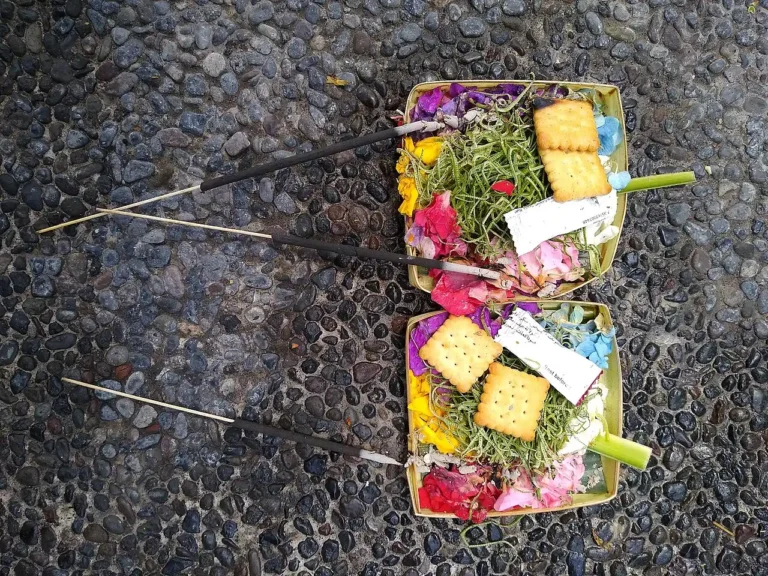
Tumpek Landep is Bali’s holy day for blessing keris, tools, and vehicles under Sang Hyang Pasupati, held every 210 days on the Pawukon calendar.
Balinese Rooster Tradition: Tabuh Rah, Tajen, and the Bond With a Prized Bird
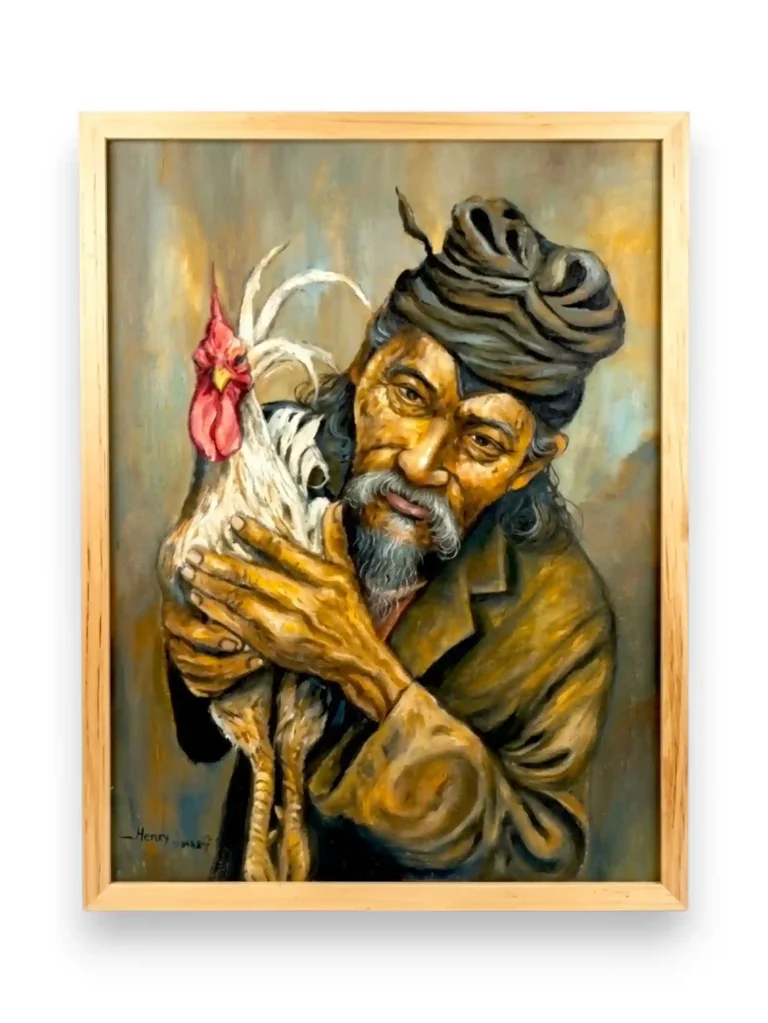
The Balinese rooster tradition behind tabuh rah, a sacred temple ritual distinct from tajen, and the bond between an elder and his prized bird.
Calon Arang: The Witch of Girah Behind Bali’s Rangda and the Calonarang Dance
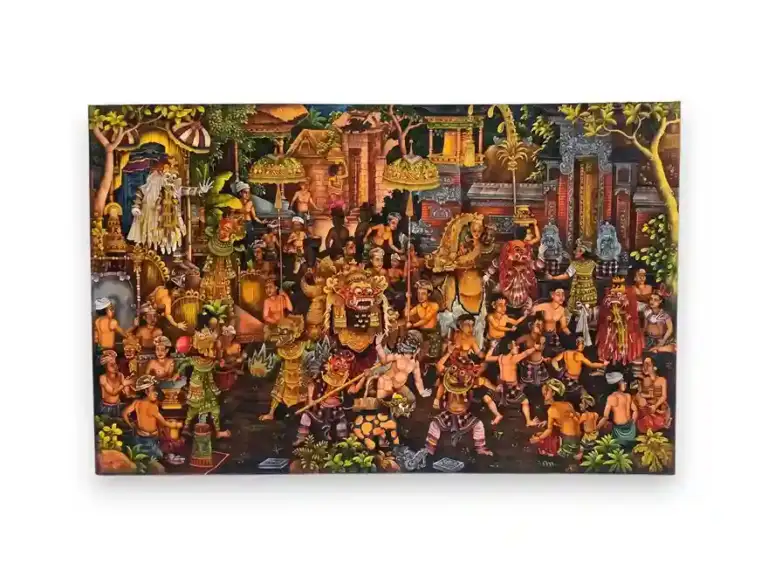
Calon Arang is the legendary witch of Girah whose story explains the origin of Rangda and Bali’s Calonarang dance, still performed today.
Baris Dance: Bali’s Solo Warrior Performance
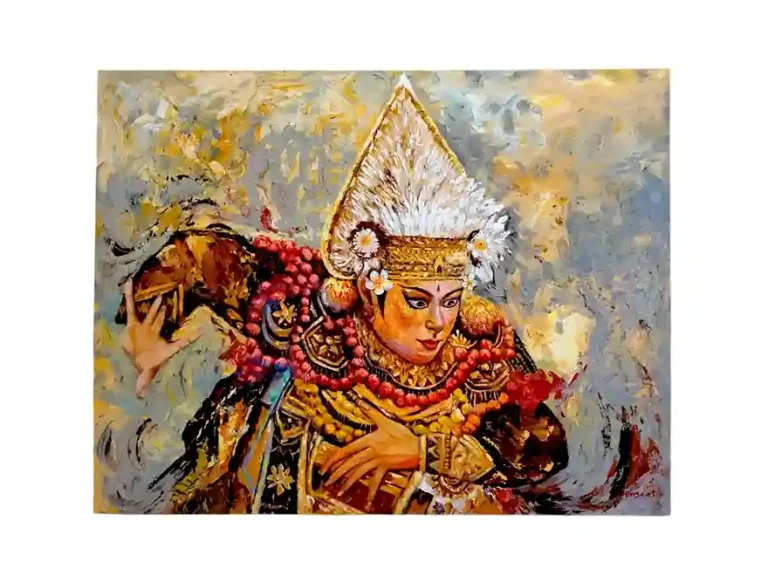
Baris dance is Bali’s warrior dance tradition, performed either as a sacred group ritual called Baris Gede, honoring temple deities at ceremonies like Odalan, or as a solo showcase called Baris Tunggal, in which a single dancer, usually a boy, portrays a warrior’s alertness through sharp, darting eye movements called sledet. Both forms trace back […]
Tumpek Wayang: The Balinese Holy Day Behind Wayang and Kamasan Art
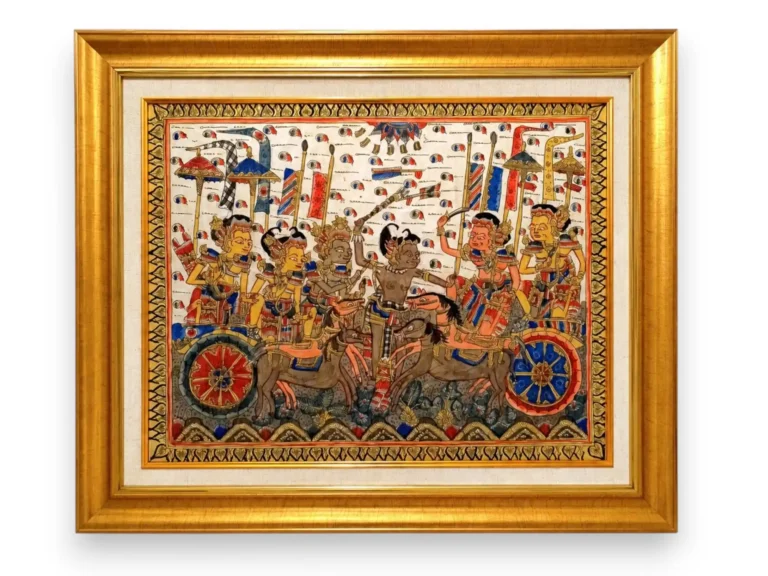
Tumpek Wayang is Bali’s holy day honoring wayang puppets, dalang, and Kamasan painters, held every 210 days to bless the tools of Balinese art.
Dewi Sri: Bali’s Rice Goddess Behind Every Rice Field Painting
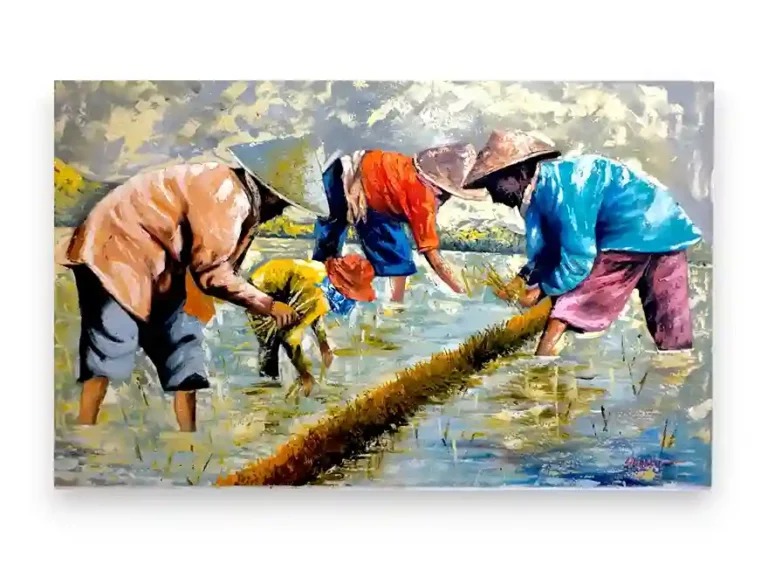
Dewi Sri is Bali’s Hindu goddess of rice, fertility, and prosperity, honored through the Subak system and represented by the woven Cili effigy. Though rarely painted as a standalone figure, her presence runs through the rice field and rice harvest paintings that are among Bali’s most recognizable images.