Tumpek Landep is a Balinese Hindu holy day that falls every 210 days on Saturday Kliwon of wuku Landep, one of the most widely observed Tumpek Saturdays in the Pawukon calendar. It honors Ida Bhatara Sang Hyang Siwa Pasupati, the manifestation of Shiva connected to sharpness, strength, and mastery over metal, and it is the day Balinese families bring out their keris, farming tools, and increasingly their vehicles and electronics to be cleaned, offered canang sari, and blessed with holy water. The next occurrence falls on November 14, 2026. An earlier occurrence already passed this year on April 18, 2026, since the 210-day Pawukon cycle is short enough to complete nearly twice within a single Gregorian year.
Key Takeaways
- Tumpek Landep 2026’s next occurrence is November 14, 2026. It already fell once this year, on April 18, 2026, because the 210-day Pawukon cycle is shorter than a Gregorian year.
- The day falls on Saturday Kliwon of wuku Landep, calculated from the Pawukon calendar rather than the Gregorian one, so the date shifts every year.
- Sang Hyang Pasupati, a manifestation of Shiva tied to sharpness and mastery over metal, is the deity honored on this day.
- The word landep means sharp. Traditionally that meant a blade’s edge; today Balinese Hindus also describe it as sharpening the mind toward wisdom and clarity.
- Keris, spears, and farming tools are the classic objects blessed on Tumpek Landep. The custom has since extended to motorbikes, cars, computers, and other tools people depend on for their work.
- The keris blessing remains the best-known part of the day, since the keris is regarded in Bali as more than a weapon: a spiritually charged heirloom passed within a family.
Tumpek Landep is one of the Balinese Hindu holy days that rarely makes a tourist itinerary, yet it says a great deal about how Bali regards the tools people rely on. It is not a festival with a public procession. It is quieter and more domestic than that: a keris laid out on a family shrine, a motorbike parked with a small offering resting on the seat, a blacksmith’s tools set beside a bowl of holy water. For anyone curious why a Balinese keris is treated as more than a decorative object, or why Indonesian metal art so often carries a sense of the sacred, Tumpek Landep is the day that explains where that reverence comes from.
This guide covers what Tumpek Landep actually involves, the meaning behind Sang Hyang Pasupati, which objects are blessed and why the custom has grown to include modern tools, and exactly when the day falls in 2026. For the wider set of holy days on Bali’s ceremonial calendar, see our guide to Tumpek Wayang, the sister Tumpek Saturday devoted to the arts.

What Is Tumpek Landep?
Tumpek Landep belongs to the Pawukon, a 210-day calendar built from ten concurrent week cycles running side by side, the best known of which is the 30-week wuku cycle. Each wuku lasts seven days, and wuku Landep is one of the thirty named weeks in that cycle. Tumpek Landep falls on the Saturday, called Saniscara, that coincides with Kliwon, the fifth day of the five-day Pancawara week, while the calendar sits inside wuku Landep. Because the Pawukon repeats every 210 days rather than following the Gregorian year, Tumpek Landep lands on a different Gregorian date each time and can fall twice within a single calendar year, exactly as happened in 2026 with observances on April 18 and November 14.
The day is one of several Tumpek, or holy Saturday, observances spread across the 210-day cycle, and it is generally regarded as the one most closely tied to sharp and metal objects, since wuku Landep itself takes its name from landep, the Balinese word for sharp. The deity honored on Tumpek Landep is Ida Bhatara Sang Hyang Siwa Pasupati, worshipped here specifically in his aspect connected to strength, mastery, and the power held in metal, which is why the day is often described locally as a day of thanksgiving for the tools that sharpen both a farmer’s blade and a person’s mind.
What Gets BlessedWhich Objects Are Blessed on Tumpek Landep
At the center of Tumpek Landep is the keris blessing, the ritual cleaning and consecration of the wavy or straight-bladed dagger that many Balinese families keep as a spiritually charged heirloom rather than a weapon in the ordinary sense. On this day, a family brings its keris out from storage, cleans the blade, and sets it beside canang sari offerings so it can be blessed with holy water. Spears, farming tools, and a blacksmith’s own equipment traditionally received the same treatment, since Tumpek Landep honors the craft of working metal as much as the finished object.

The custom has not stayed frozen in an agrarian past. Balinese Hindus today commonly extend the same blessing to motorbikes, cars, computers, and household appliances, reasoning that these are simply the tools a person now depends on to work and provide for a family, the same role a keris or a plow once filled. It is common to see a motorbike parked outside a home on Tumpek Landep with a small canang sari resting on the seat or the fuel tank, a modern echo of the same gesture a blacksmith once made toward his own equipment. Bali’s Baris dance, in which a solo performer carries a spear or keris as part of a warrior’s ritual costume, draws on this same regard for a blade as something more than a prop.
The Deity and the MeaningSang Hyang Pasupati and the Meaning of Landep
Sang Hyang Pasupati is not a separate god so much as a specific manifestation of Shiva, invoked here for his mastery over metal and his power to sharpen and empower an object or a mind. The name Pasupati appears elsewhere in Balinese and wider Hindu-Javanese tradition as well: in the Arjuna Wiwaha story, the hero Arjuna undergoes austerities to receive the Pasupati, a divine weapon granted directly by Shiva, a myth still shown today in Arjuna Wiwaha painting from the Kamasan tradition. Tumpek Landep draws on the same idea in a domestic form: an object, once blessed under Sang Hyang Pasupati, is believed to carry a measure of that same sharpened, protective power for its owner.
The word landep itself means sharp, and it carried a literal meaning first, describing a blade’s cutting edge. Balinese Hindus today extend that meaning inward as well, describing the day as an occasion to sharpen the mind rather than only a tool, cultivating clarity, focus, and wisdom alongside the more visible ritual of blessing a keris or a motorbike. A sharp blade and a sharp mind are treated, on this day, as two expressions of the same idea.
The CeremonyHow the Blessing Is Performed
A Tumpek Landep ceremony typically begins in the morning. Objects to be blessed, whether a keris kept on a family shrine, a set of tools, or a vehicle parked in the yard, are cleaned and set out with canang sari, small offerings of flowers, fruit, rice cakes, and woven palm leaf. A priest, either a pedanda of Brahmana descent or a pemangku serving a family or village temple, leads prayers and sprinkles the objects with tirta, holy water, completing the blessing. In many households the ritual is simple and personal rather than a public spectacle, performed at a family shrine with only the household present.

Temples also hold their own Tumpek Landep observances, drawing a wider community for collective prayer rather than the smaller household version of the ceremony. Whichever form it takes, the underlying gesture stays the same: a pause to acknowledge that a tool, whether centuries old or bought last year, deserves gratitude and care rather than only use.
The CalendarWhen Is Tumpek Landep in 2026?
Tumpek Landep 2026 fell on April 18, 2026, and falls again on November 14, 2026, exactly 210 days later. Because the Pawukon cycle does not follow the Gregorian calendar, these dates will shift again in 2027. Anyone hoping to see a family or temple observe the day, or planning to bring a vehicle or keris to be blessed, should confirm the current year’s date against a Balinese calendar publisher or a local temple, since minor regional variation in ceremonial timing does exist.
Explore Bali’s Sacred Metal Art Tradition
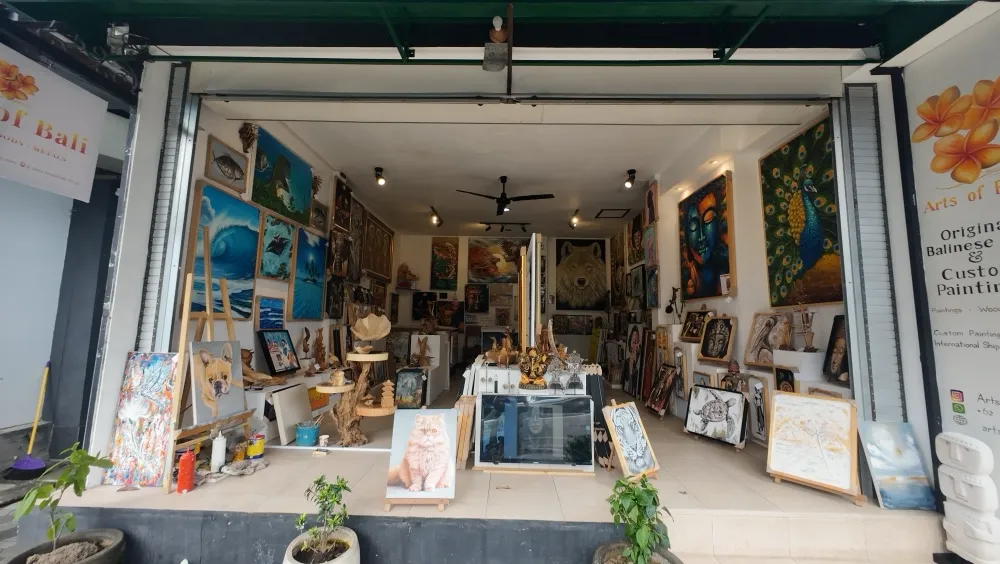
Arts of Bali’s Seminyak gallery carries Indonesian metal art and tribal artifacts made in the same tradition of skilled, sacred craftsmanship that Tumpek Landep honors.
Chat on WhatsApp See Indonesian Metal ArtFrequently Asked Questions
What is Tumpek Landep?
Tumpek Landep is a Balinese Hindu holy day that falls every 210 days on Saturday Kliwon of wuku Landep. It honors Sang Hyang Pasupati, a manifestation of Shiva tied to sharpness and mastery over metal, and is the day Balinese families bless their keris, tools, and vehicles.
When is Tumpek Landep in 2026?
Tumpek Landep fell on April 18, 2026, and falls again on November 14, 2026, exactly 210 days later. The date is calculated from the Pawukon calendar, so it moves every year rather than sitting on a fixed Gregorian date.
What objects are blessed on Tumpek Landep?
Traditionally, keris, spears, and farming tools are cleaned and blessed with holy water. The custom has since extended to motorbikes, cars, computers, and household appliances, since these now fill the same working role a blade or a plow once did.
Who is Sang Hyang Pasupati?
Sang Hyang Pasupati is a manifestation of Shiva connected to sharpness, strength, and mastery over metal. The same name appears in the Arjuna Wiwaha story, in which the hero Arjuna receives the Pasupati, a divine weapon granted by Shiva.
What does the word landep mean?
Landep means sharp. It originally referred to a blade’s cutting edge, and Balinese Hindus today also use it to describe sharpening the mind toward clarity and wisdom, treating a sharp blade and a sharp mind as related ideas.
How is Tumpek Landep different from Tumpek Wayang?
Both are Tumpek Saturdays on the 210-day Pawukon calendar, but they honor different things. Tumpek Landep blesses keris, tools, and metal objects under Sang Hyang Pasupati, while Tumpek Wayang blesses wayang kulit puppets and honors Sanghyang Iswara, the deity of the arts.
Can visitors watch a Tumpek Landep ceremony?
There is no large public event staged for tourists. Many observances happen quietly at family shrines, though some temples hold their own community ceremony. A respectful visitor who happens to be nearby, dressed appropriately, is more likely to see one than someone seeking it out as a scheduled attraction.
Does Arts of Bali sell keris or Balinese metal art?
Arts of Bali’s collection is built around Balinese paintings and wood carvings rather than ceremonial keris blades themselves, but the gallery does carry select Indonesian metal art and tribal artifacts from the same tradition of sacred craftsmanship. Message us on WhatsApp for current pieces and availability.