Dewi Sri is Bali’s Hindu goddess of rice, fertility, and prosperity, honored across the island through the Subak irrigation system that waters its terraced fields. Balinese farmers still make woven effigies of her called Cili, leave offerings at the edge of the fields before planting, and visit temples built specifically in her name. Rarely painted as a standalone figure the way Ganesha or Saraswati are, her presence instead runs through the rice field and rice harvest paintings that are among the most recognizable images to come out of Bali.
Points clés à retenir
- Dewi Sri is Bali’s Hindu goddess of rice, fertility, and prosperity, worshipped through the island’s Subak irrigation system.
- Balinese farmers still make Cili, a woven effigy of Dewi Sri made from janur, lontar leaf, or rice-flour cakes, ahead of planting.
- She is closely paired with Dewi Danu, goddess of the lakes, since Subak channels water from Dewi Danu’s domain down into the fields Dewi Sri watches over.
- Sources describe her origin differently. In one telling she is transformed after death into the rice plant itself, in another she is freed from a demon’s captivity by prayer, a sign of how many versions of her story circulate across Bali.
- Temples including Pura Beji Sangsit in Buleleng are dedicated directly to Dewi Sri and are still visited by farmers around planting and harvest.
- Though rarely depicted as a standalone figure in Balinese painting, her presence runs through the rice field and rice harvest paintings that form one of the island’s most collected genres.
Walk through almost any gallery in Bali and you will find rice fields painted over and over. Terraces catching the late afternoon light, farmers bent over flooded paddies, gold stalks heavy just before harvest. What rarely gets mentioned alongside these paintings is who Balinese tradition credits for the abundance in them. Dewi Sri is the goddess most closely tied to that image, and her name shows up more often as a passing reference than as the subject of its own explanation.
This guide covers who Dewi Sri is, the different stories told about her origin, how she connects to Bali’s Subak irrigation system and to Dewi Danu, the rituals Balinese farmers still perform in her honor, and why her presence runs through the rice field and rice harvest paintings sold in Bali even when she is never painted directly. For the broader set of deities and symbols that recur across Balinese art, see our guide to Balinese art symbols.
Who Is Dewi Sri? Bali’s Goddess of Rice and Fertility
Dewi Sri is worshipped across Java, Bali, and Lombok as the goddess of rice and fertility, and in Hindu tradition more broadly she is often associated with Lakshmi, the consort of Vishnu and goddess of abundance. In Bali specifically, she is honored as part of the island’s Hindu practice, most directly through the Subak system that irrigates its rice terraces.
Sources do not agree on a single origin story, and rather than force them into one version, it is worth keeping both. In one widespread telling, rice itself grows from Dewi Sri’s body after her death, with white rice said to grow from one eye and red rice from the other. In a different version told locally in Bali, she is held captive by a demon whose presence causes the harvest to fail, until prayer frees her and prosperity returns with her. Most versions of her story also involve Sedana, described in some tellings as her brother from whom she becomes separated, and honored in Subak ceremony as a paired figure alongside her. Rather than a discrepancy to resolve, this range of stories reflects how widely and how differently Dewi Sri has been told about across the islands that honor her.
Water and RiceDewi Sri and the Subak System: How Bali’s Rice Terraces Honor Her
Subak is the centuries-old cooperative irrigation system that channels water from Bali’s crater lakes and mountain springs down through its terraced rice fields, organized around the philosophy of Tri Hita Karana, harmony between people, nature, and the divine. UNESCO recognized the Subak system as a World Heritage cultural landscape in 2012, and Dewi Sri sits near the center of the belief system that shaped it. Each Subak group traditionally maintains water temples connected to this practice, and Dewi Sri is venerated in the water temples tied to the system that allocates water for rice agriculture.
Some temples are dedicated to Dewi Sri directly rather than folded into a broader Subak shrine. Pura Beji in Sangsit, a Balinese Hindu temple in Buleleng regency known for its 15th and 16th century architecture, is dedicated to the rice goddess Dewi Sri and is revered especially by the farmers who work the fields around it. Temples like this give farmers a specific place to bring offerings before planting and after harvest, rather than a general gesture toward an unnamed force behind a good season.
The Sacred SistersDewi Sri and Dewi Danu: Rice, Water, and a Shared System
Dewi Sri is closely paired with Dewi Danu, the goddess associated with Bali’s crater lakes, most prominently Danau Batur, where Pura Ulun Danu Batur stands as her primary temple. Some tellings describe the two as sacred sisters, or hold that they may be fragments of the same underlying feminine force in Balinese cosmology, though this framing varies by source rather than standing as settled doctrine. What is consistent is the practical relationship between them: water from Dewi Danu’s lakes flows through the Subak network of canals that feeds the rice fields presided over by Dewi Sri. One goddess is credited with the source, the other with what grows from it, and Subak is the physical system that connects the two.
This pairing is why offerings to Dewi Sri are rarely made in isolation from the water system that sustains her fields. A rice terrace without water is not a rice terrace, and Balinese ritual practice reflects that dependency by honoring both goddesses within the same agricultural cycle rather than treating rice and water as separate concerns.
Rituals and SymbolsCili, Offerings, and the Rituals Balinese Farmers Still Perform
The most recognizable symbol of Dewi Sri in Bali is Cili, an effigy representing her that is woven from janur, or young coconut leaf, from lontar or pandan leaf, or shaped from cakes made of rice flour, often built with a distinctive pinched waist between two triangular forms. Cili are woven into lontar-leaf offerings called lamak and displayed at temples and household shrines during ceremony, a specifically Balinese ritual practice rather than a generic regional custom.
Before planting, effigies of Dewi Sri are ritually buried at the edge of the rice field, a symbolic return of her presence to the earth. Alongside this, farmers also make separate offerings of colored rice, betel leaves, and coins through the season, gifts meant to keep her favor and ensure she returns with the next planting. At harvest, a sacred image of Dewi Sri is traditionally made from the rice grown closest to the upstream corner of the field, and rice dolls representing her are placed in the family granary in a first-fruits ritual meant to keep prosperity in the household through to the next planting. Some Subak communities also hold an annual ceremony honoring Dewi Sri and Sedana together as a paired couple, marking the agricultural cycle the way a wedding marks a household one.
The Painting ConnectionDewi Sri’s Presence in Balinese Painting
Dewi Sri is rarely painted as a standalone figure the way Ganesha, Saraswati, or the characters of the Ramayana are in Balinese mythology painting. She belongs less to narrative art and more to landscape, and her presence is understood rather than depicted directly. Our guide to Peinture représentant une rizière à Bali already names her explicitly, describing her as the presence believed to run through the fields as surely as the irrigation water does. Our companion guide to Peinture représentant la récolte du riz à Bali spends considerable space on the Subak system behind the golden terraces without naming the goddess tied to it directly, which is exactly the gap this guide is meant to close.
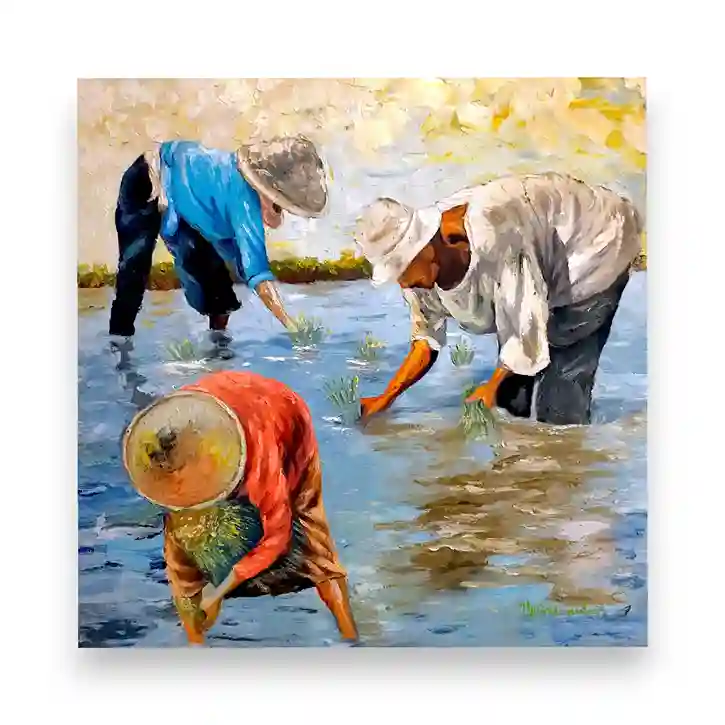
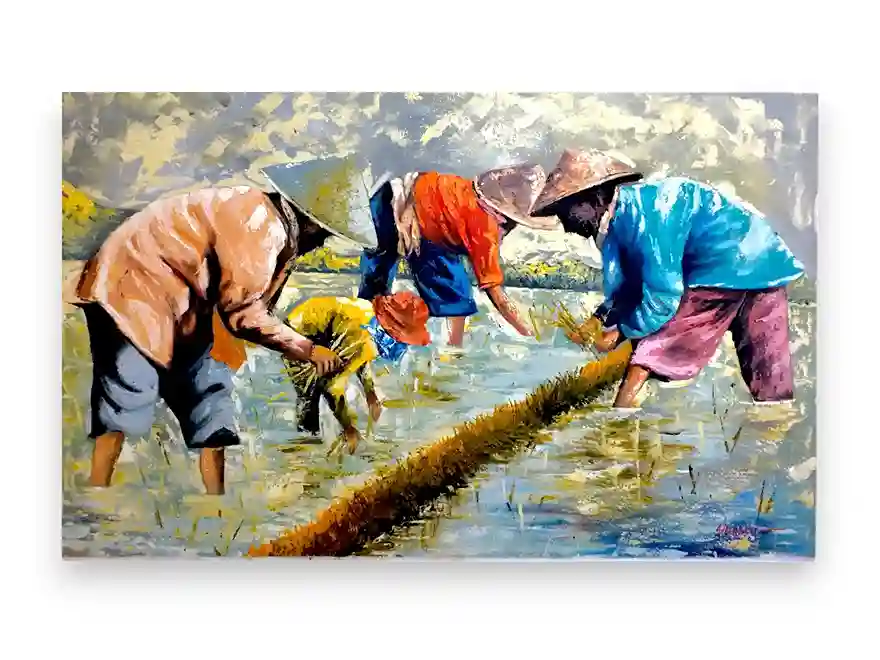
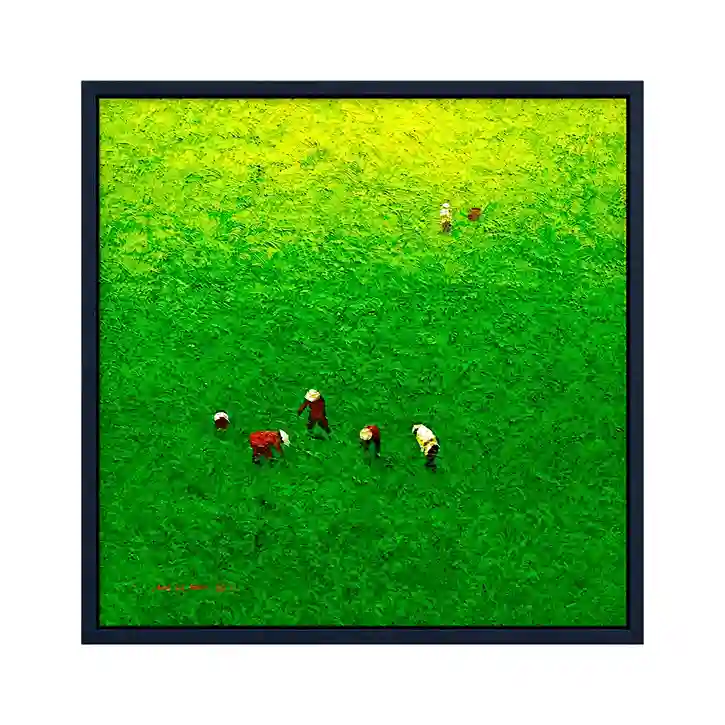
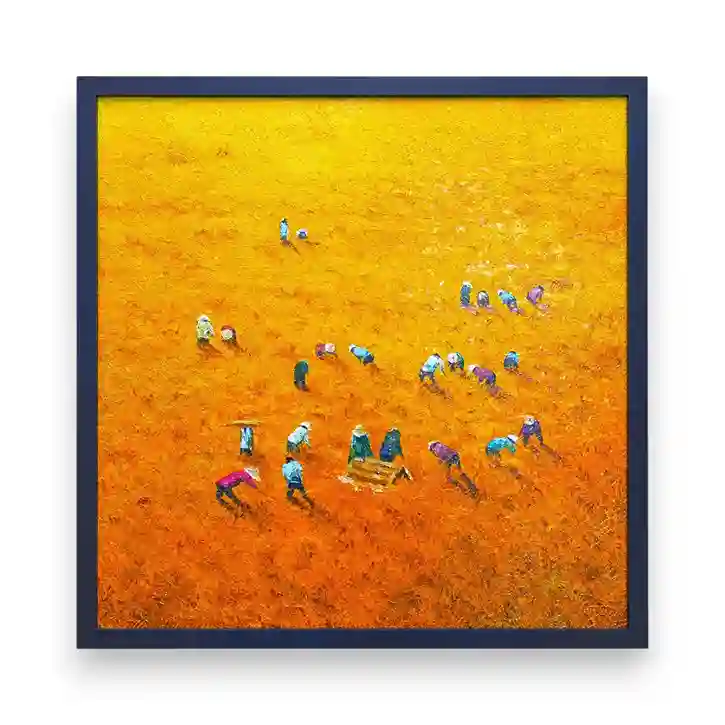
That distinction matters for anyone choosing a rice field or harvest painting for their own collection. A terraced landscape, a farmer bent over a flooded paddy, a field caught in golden late-day light are not generic countryside scenes in Bali. They are, in the island’s own tradition, the visible evidence of Dewi Sri’s presence, the same way a Mount Agung painting carries the weight of the island’s sacred volcano even when no figure appears in the frame. For a wider view of how Art balinais encodes belief into landscape and symbol alike, that guide is the place to start.
Bring Dewi Sri’s Fields Home
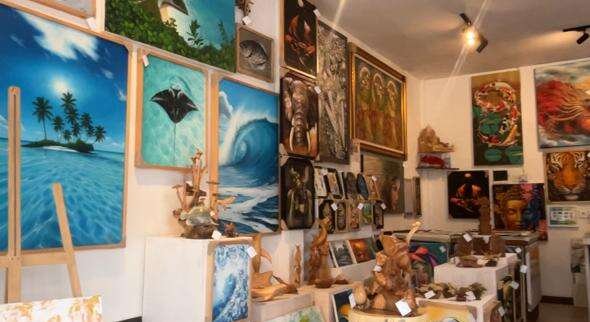
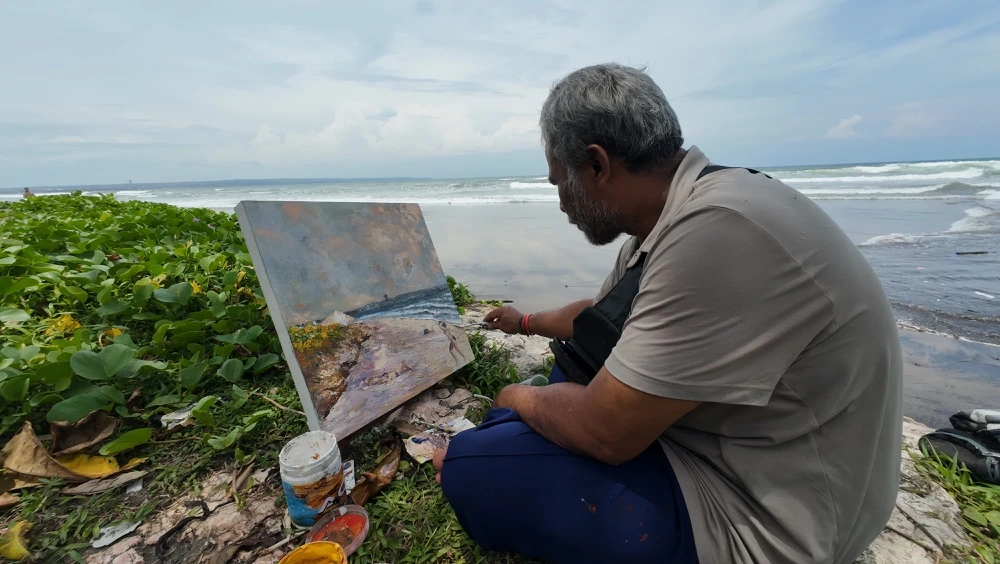
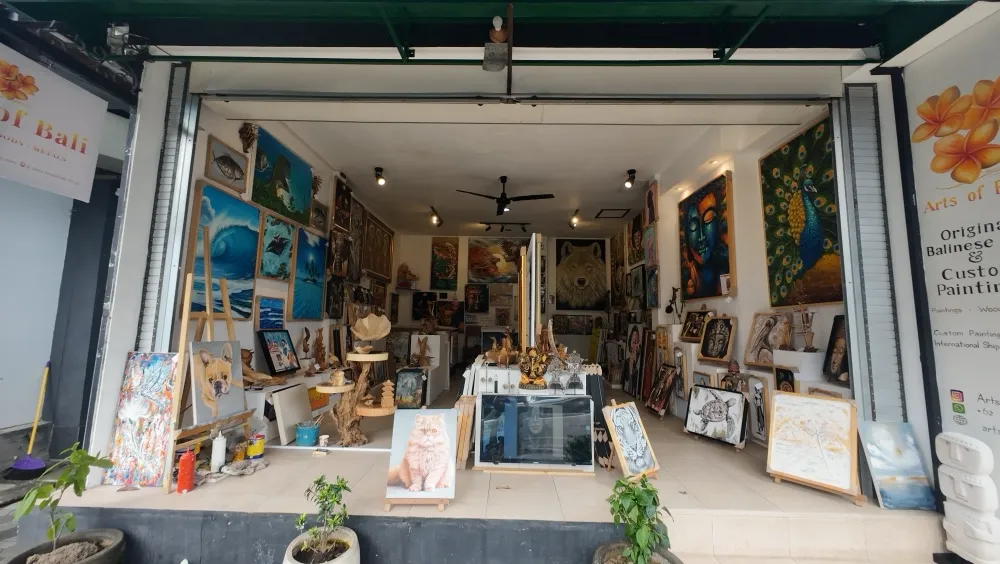
Arts of Bali carries original rice field and rice harvest paintings from the same landscape tradition Dewi Sri is honored through, hand-painted by artists working in Seminyak.
Discuter sur WhatsApp View Harvest Harmony Painting View Golden Harvest Fields PaintingQuestions fréquemment posées
Who is Dewi Sri?
Dewi Sri is the Hindu goddess of rice, fertility, and prosperity worshipped in Bali, Java, and Lombok. In Bali she is honored primarily through the Subak irrigation system that waters the island’s rice terraces, and in Hindu tradition more broadly she is often associated with Lakshmi.
What is the origin story of Dewi Sri?
Sources tell it differently. One widespread version holds that rice grew from her body after her death, with white rice from one eye and red rice from the other. Another version told in Bali describes her held captive by a demon until prayer freed her and prosperity returned with her.
What is Cili, and how does it relate to Dewi Sri?
Cili is a woven effigy representing Dewi Sri, made from janur, lontar or pandan leaf, or cakes of rice flour, often shaped with a pinched waist between two triangular forms. Balinese farmers make Cili and bury it at the edge of the rice field before planting as an offering for her blessing.
How are Dewi Sri and Dewi Danu connected?
Dewi Danu is the goddess associated with Bali’s crater lakes, primarily Danau Batur, while Dewi Sri watches over the rice fields. Water from Dewi Danu’s lakes flows through the Subak canal network into the fields Dewi Sri presides over, so the two are honored together within the same agricultural cycle.
Are there temples dedicated to Dewi Sri in Bali?
Yes. Pura Beji in Sangsit, Buleleng, is a Balinese Hindu temple built in the 15th and 16th centuries and dedicated directly to Dewi Sri, still visited by local farmers around planting and harvest. She is also venerated within many of the smaller water temples connected to individual Subak groups.
Is Dewi Sri often shown as a figure in Balinese paintings?
Rarely as a standalone figure the way Ganesha or Saraswati are painted. Her presence is instead understood to run through rice field and rice harvest paintings, where the terraces, water, and golden crops are treated in Balinese tradition as evidence of her blessing rather than as ordinary countryside scenery.
What rituals do Balinese farmers still perform for Dewi Sri?
Before planting, farmers bury a Cili effigy at the field’s edge, and separately make offerings of colored rice, betel leaves, and coins through the season to keep her favor. At harvest, a sacred image of Dewi Sri is made from rice grown at the upstream corner of the field, and rice dolls representing her are placed in the household granary.
Where can I see Dewi Sri’s presence in Balinese art?
Arts of Bali carries original rice field and rice harvest paintings that capture the landscape tradition Dewi Sri is honored through. Message us on WhatsApp or visit each piece’s page for current price and availability.