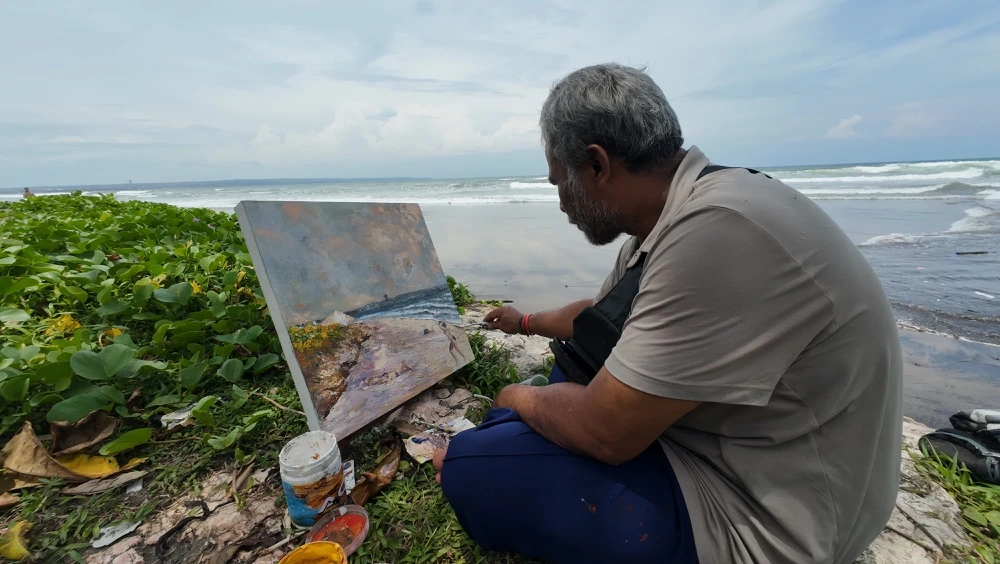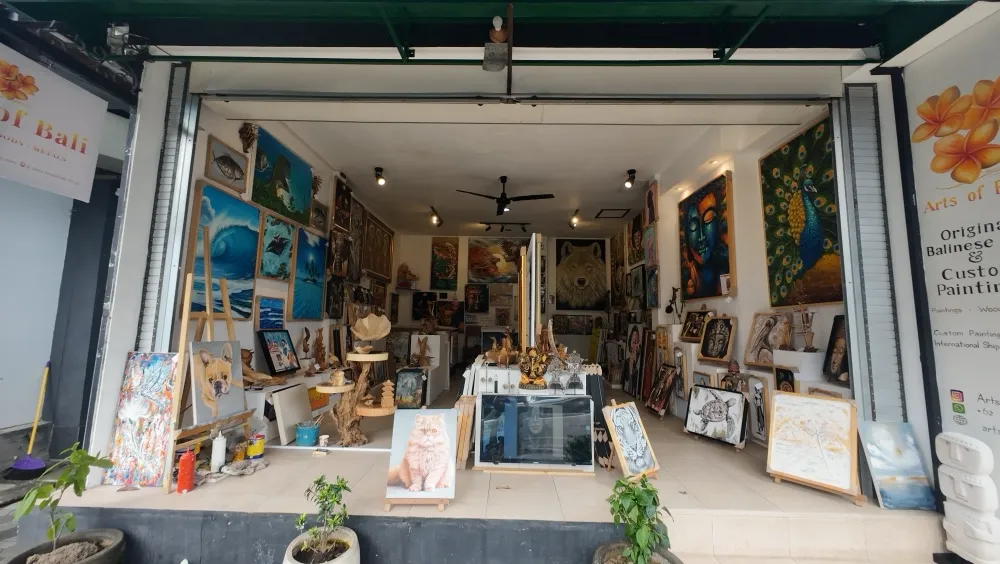

Owning a piece of original Balinese art is a privilege. Whether you have chosen a contemporary landscape or commissioned a bespoke piece through our custom painting services, your canvas holds a piece of Bali’s spiritual energy. However, once that canvas leaves the controlled environment of our gallery and enters your home, it faces new environmental challenges. At Arts of Bali, Putu and the curation team believe that teaching you how to care for your art is as important as the creation process itself. From understanding humidity to delicate cleaning techniques, this guide is your definitive manual on maintaining the pristine condition of your original canvas.
What damages an oil painting in a tropical or humid home?
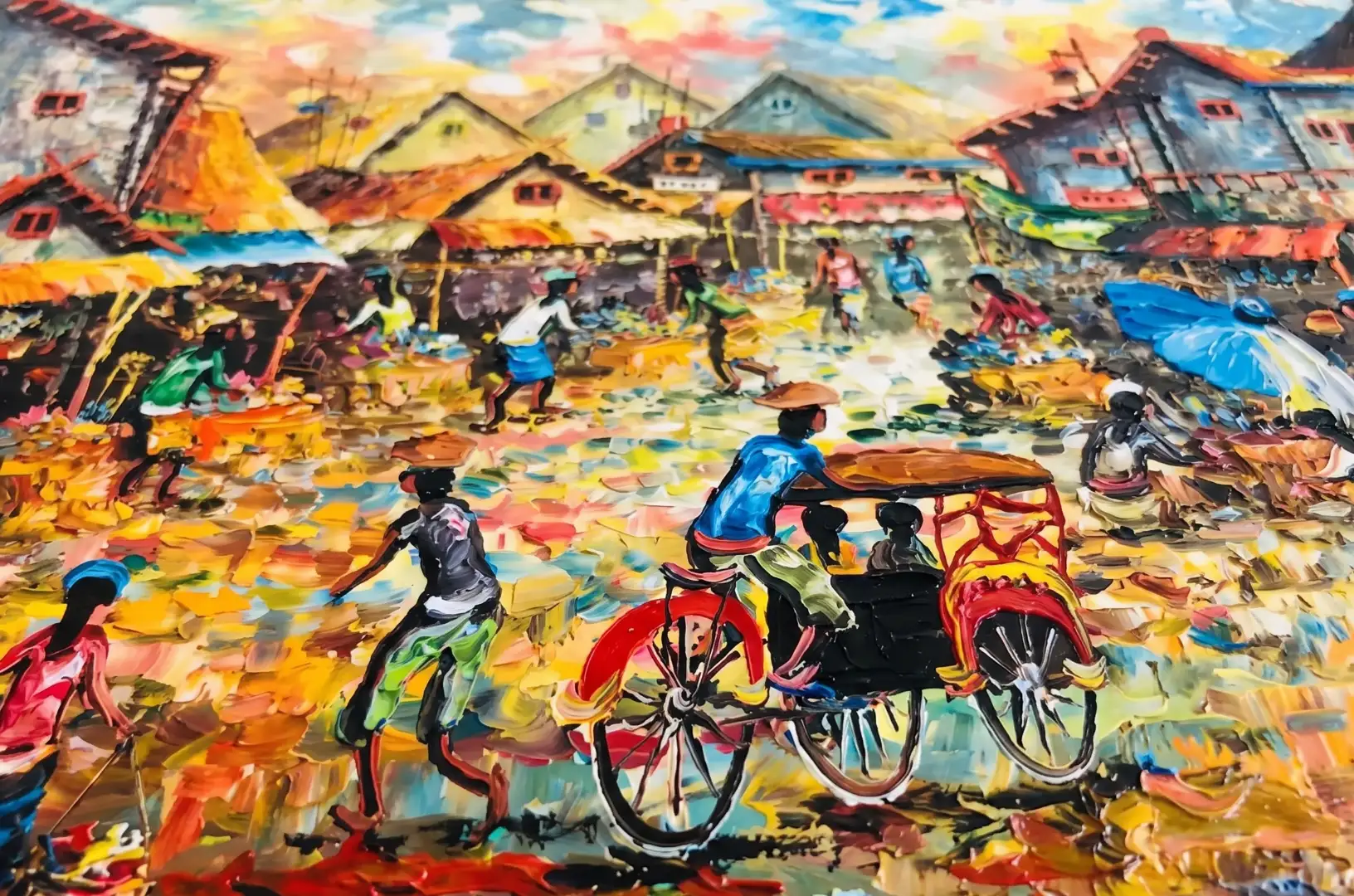
The primary threat is the “Humidity Triumvirate.” High relative humidity (above 60%) combined with warmth and dust creates the perfect breeding ground for mold spores to attach to the organic canvas or paint layers. For heavily textured works, such as palette knife art, dust accumulation in the paint ridges accelerates this degradation process.
The Three Main Enemies of Your Canvas
To protect an original painting, you must first understand what destroys it. According to guidelines from the American Institute for Conservation, environmental neglect is the leading cause of art restoration requests globally. Here is what you need to avoid:
1. Direct Sunlight (UV Radiation): UV light bleaches pigments and turns protective varnish yellow. Never hang a valuable ocean painting or portrait directly opposite an unshaded, west-facing window.
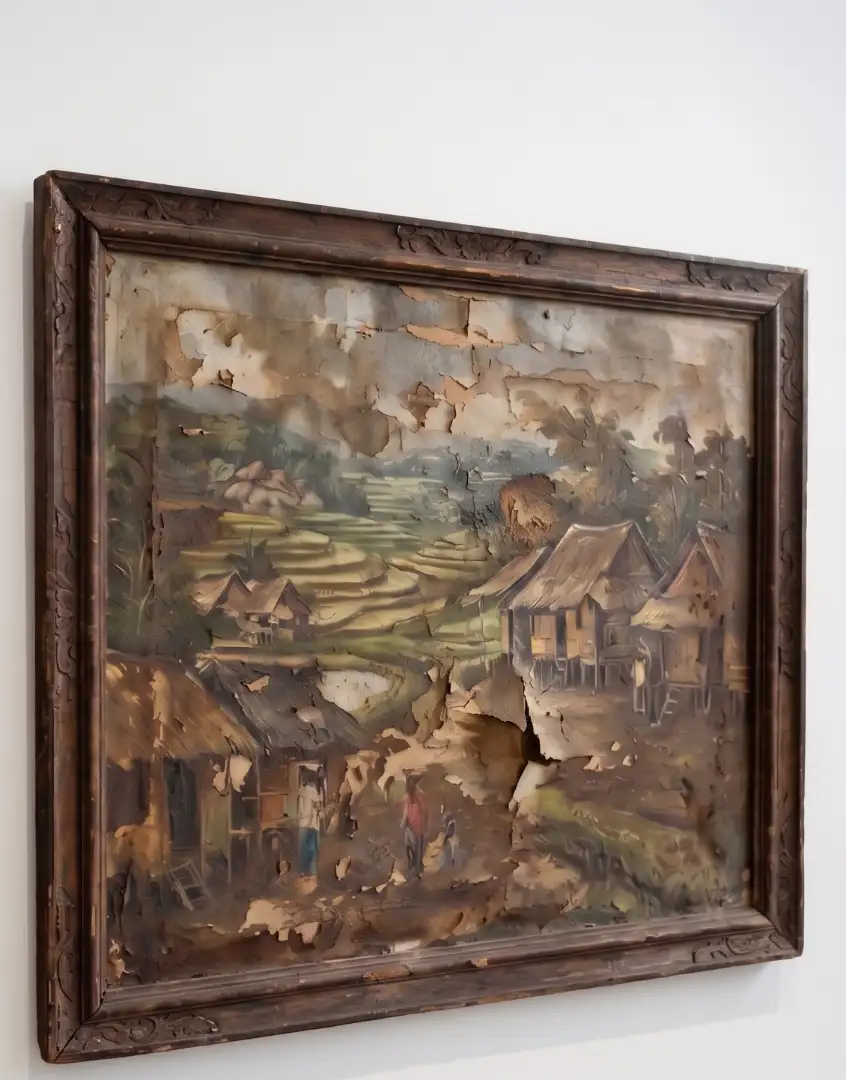
2. Extreme Temperature Fluctuations: Hanging art directly under an air conditioning vent or above a fireplace is disastrous. The constant shift from cold/dry to hot/humid causes the wooden stretcher bars to warp and the canvas to slacken, which leads to the paint cracking (craquelure).
3. Smoke and Kitchen Oils: Open-air living is beautiful, but smoke from incense, candles, or an adjacent kitchen carries microscopic oils that bond to the paint surface. Over time, this creates a sticky, darkening film that requires professional chemical cleaning to remove.
Displaying Art in Balinese Joglo Homes
Many clients wish to display our art in traditional Javanese or Balinese wooden structures (Joglos). While architecturally stunning, these “open-air” environments expose art to fluctuating weather and daily incense smoke. If you plan to hang a high-value piece in an open-air villa, we strongly advise framing it under museum-grade UV acrylic glass to seal it from the tropical elements.
How to Clean Your Original Painting
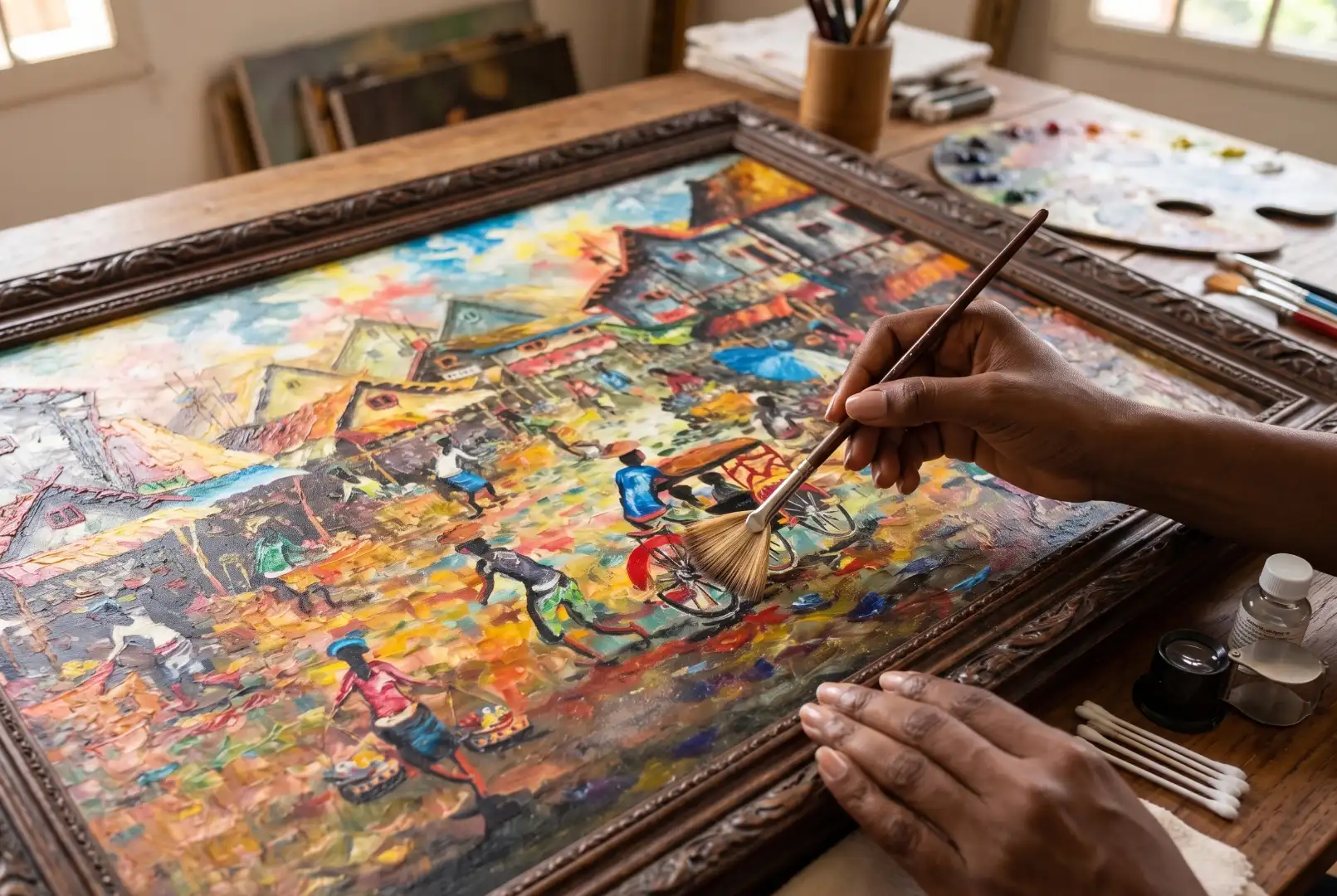
“Can I clean my oil painting myself?” The answer is yes, but it must be done with extreme delicacy. There is a massive difference between dusting a flat acrylic piece and cleaning a textured textured painting. Oil impasto surfaces, especially when relatively new, can have a microscopic “tackiness” that holds onto dust. Follow these strict gallery rules:
- Use a Curator’s Brush: Never use a cloth, feather duster, or paper towel. Cloth fibers will snag on the sharp peaks of palette knife art. Instead, use a very soft, dry, natural-bristle brush (like a large watercolor or makeup brush).
- The Sweeping Technique: Support the back of the canvas with one hand to prevent stretching. With the other hand, gently “paint” the dust off the surface, working systematically from the top left down to the bottom right.
- Zero Liquids: Never use water, damp cloths, or commercial spray cleaners. Moisture will penetrate the micro-cracks in the paint, causing it to swell and lift off the canvas. If the painting is heavily soiled, you must contact a professional restorer.
Storage and Packing Your Art
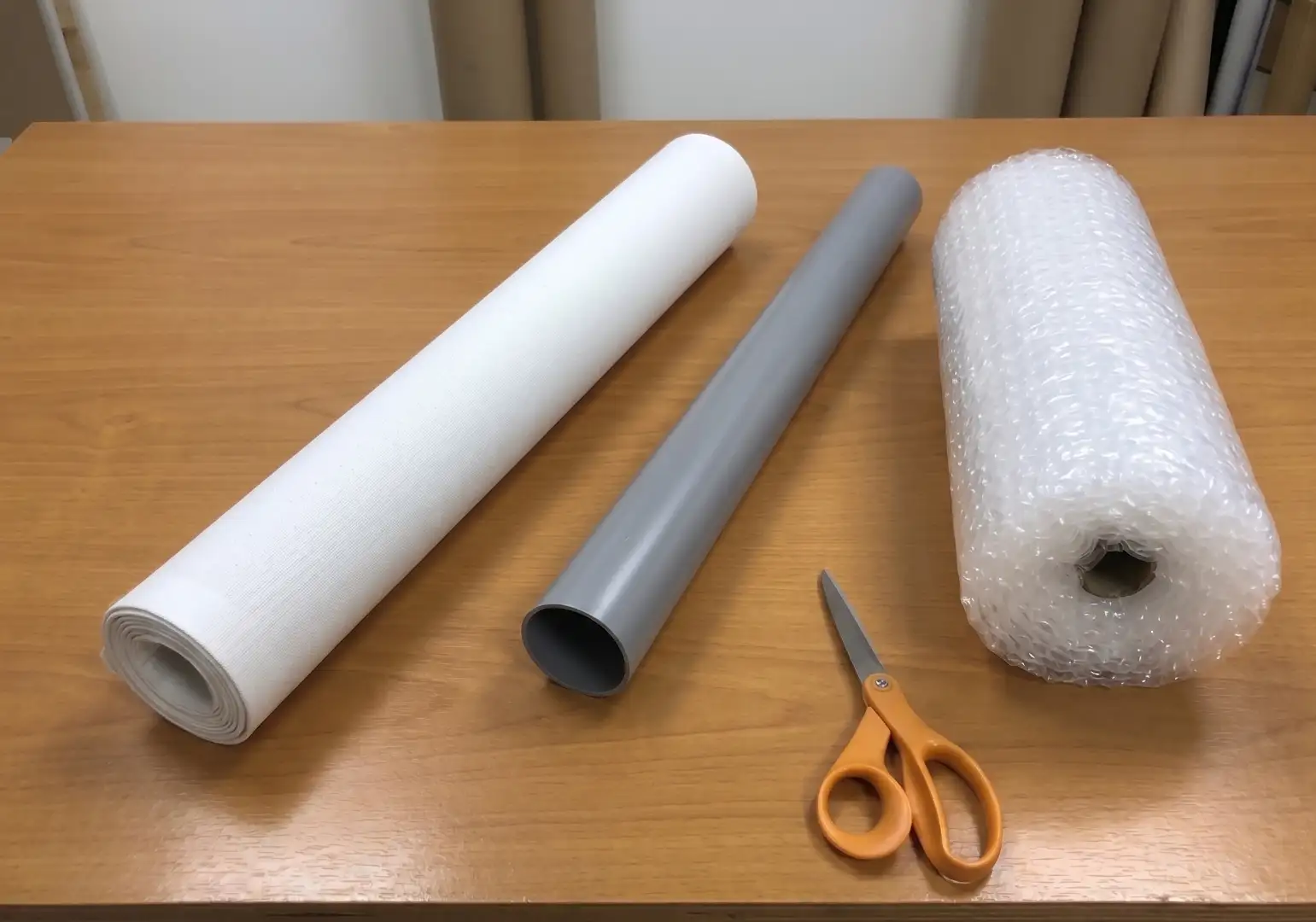
Whether you are moving houses or preparing your art for long-term storage, the method depends on the paint thickness. As noted in our guide on покупка произведений искусства на Бали, flat acrylics and classical oils can be safely removed from their frames and rolled. Always place acid-free glassine paper over the painted surface and roll it with the paint facing outward. Store it inside a rigid PVC tube (never cardboard, which absorbs moisture) in a climate-controlled room.
However, heavily textured works must never be rolled. They must be stored flat, in a custom wooden crate or sturdy box, completely wrapped in bubble wrap and kept off the floor to prevent dampness.
Часто задаваемые вопросы
How do I protect my oil painting in a humid climate?
To protect an oil painting from high humidity, ensure the room is well-ventilated or air-conditioned to keep relative humidity below 60%. Avoid hanging the art on damp exterior walls. For extreme tropical climates, having the painting professionally framed behind sealed UV-protective glass with a spacer (so the glass doesn’t touch the paint) is the ultimate protection.
Can air conditioning damage my canvas painting?
Air conditioning itself is good for paintings as it reduces humidity. However, hanging a painting directly in the blast path of an AC unit is dangerous. The constant, rapid changes from cold/dry air to warm/humid air when the unit turns off will cause the canvas to rapidly expand and contract, leading to cracking paint.
Is it safe to use a damp cloth to clean an acrylic painting?
No. While acrylics are generally more robust than oils, using a damp cloth can leave water marks, push dirt deeper into the texture, or reactivate certain varnishes. Always use a dry, soft brush to remove surface dust.
What should I do if I see mold growing on my canvas?
Do not wipe it with a rag, as this will spread the mold spores across the entire painting and into the air. Move the painting to a dry, isolated area immediately and contact a professional art conservator. Do not attempt to use household bleach or vinegar, as these will destroy the paint pigments.
How often should a painting be varnished?
A high-quality oil painting typically only needs to be varnished once it is completely dry (which takes 6 to 12 months after completion). This initial varnish layer protects the paint from dust and UV rays for decades. Re-varnishing should only be done by a professional restorer if the original varnish has severely yellowed after many years.