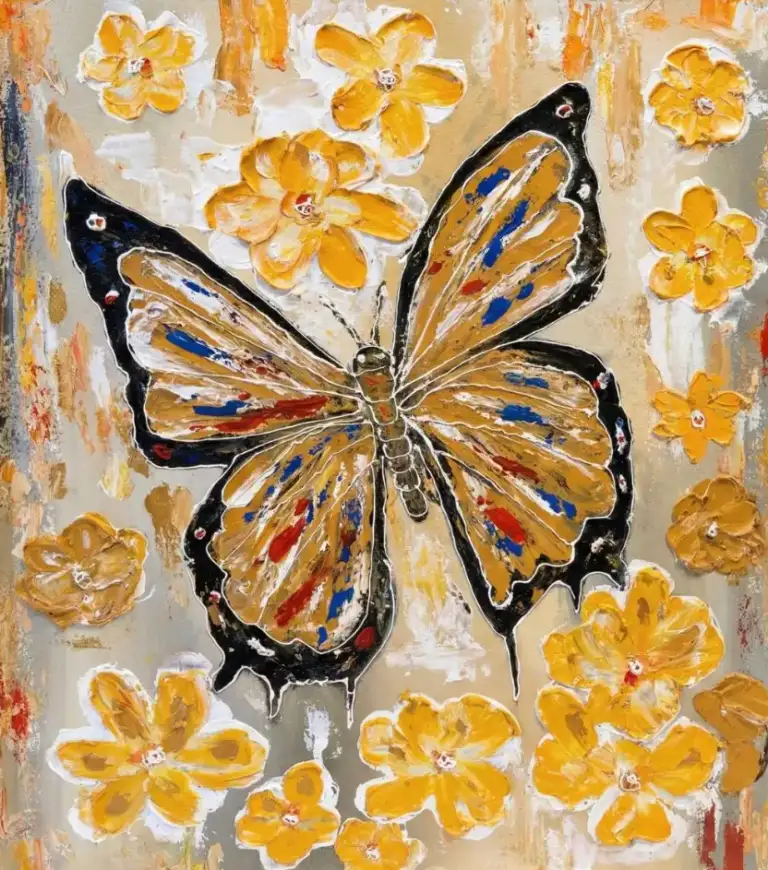
Balinese Wood Carving Care: Humidity, Cleaning and Placement Guide
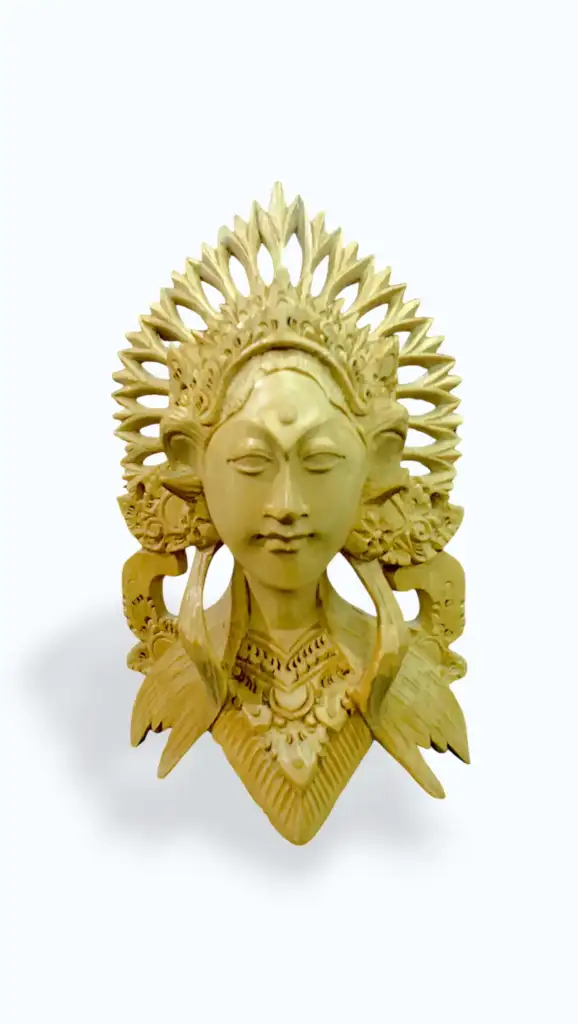
Balinese wood carving care means holding the room steady near 40 to 60 percent relative humidity, keeping the piece out of direct sun and away from heat, dusting it with a dry soft cloth, waxing handled surfaces about once a year, and checking underneath monthly for fine sawdust. This guide gives the source behind each […]
Bali Wood Carving Villages: Mas, Pakudui, Singapadu and Sebatu
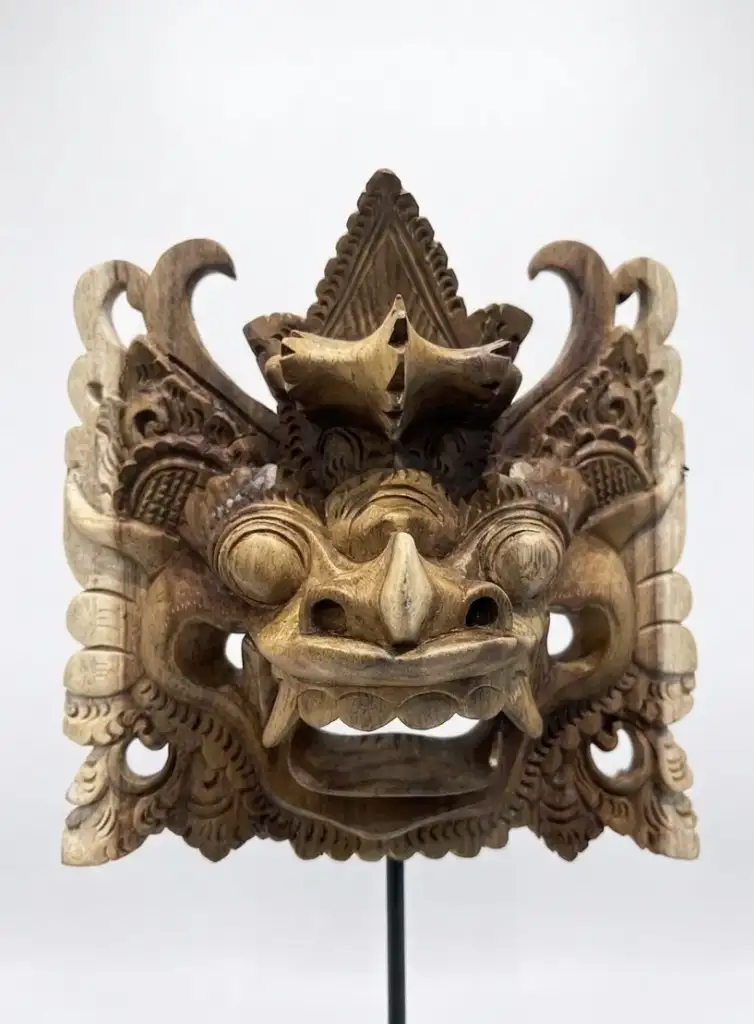
Bali wood carving villages are the communities in Gianyar Regency where carving is a family trade handed down from parent to child. The four best known are Mas, a carving village about 6 km south of Ubud; Pakudui, the Garuda statue village; Singapadu, known for ceremonial masks; and Sebatu, where carvings decorate even the village […]
Tumpek Landep: The Balinese Holy Day for Blessing Keris and Metal Tools
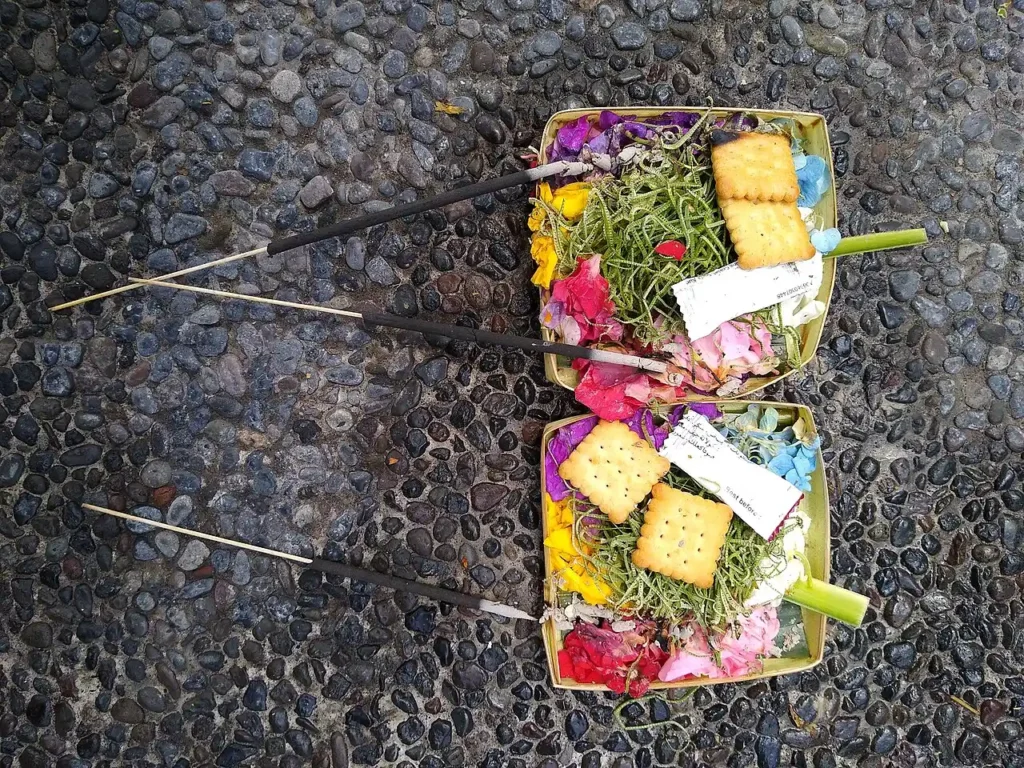
Tumpek Landep is Bali’s holy day for blessing keris, tools, and vehicles under Sang Hyang Pasupati, held every 210 days on the Pawukon calendar.
Balinese Rooster Tradition: Tabuh Rah, Tajen, and the Bond With a Prized Bird
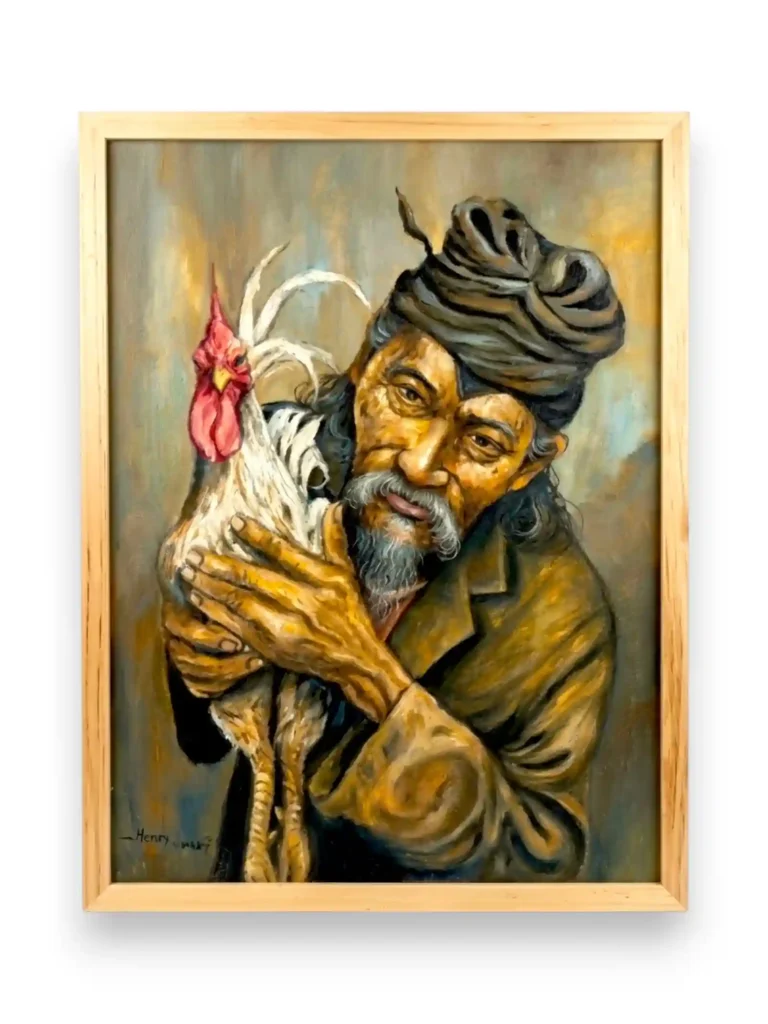
The Balinese rooster tradition behind tabuh rah, a sacred temple ritual distinct from tajen, and the bond between an elder and his prized bird.
Calon Arang: The Witch of Girah Behind Bali’s Rangda and the Calonarang Dance
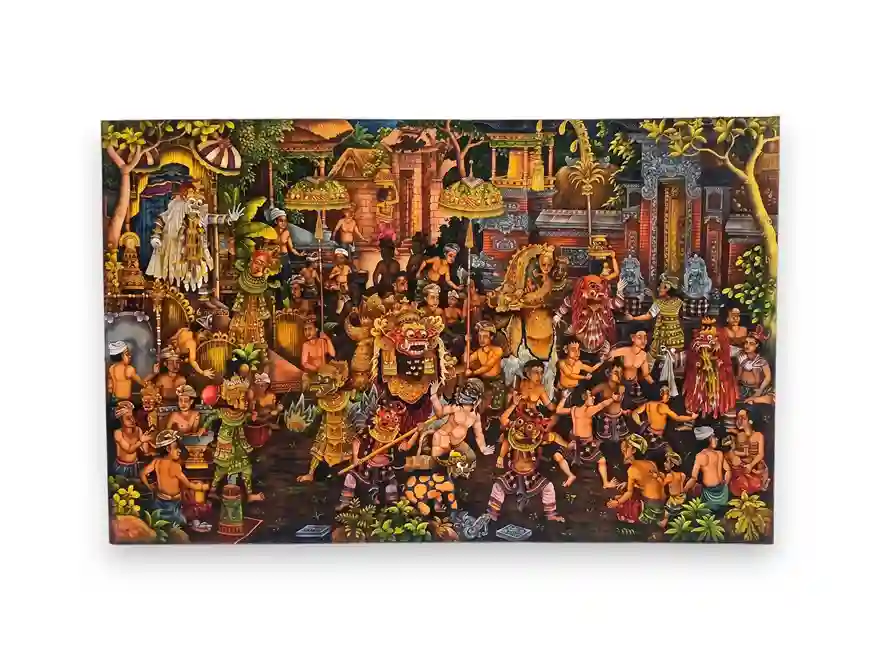
Calon Arang is the legendary witch of Girah whose story explains the origin of Rangda and Bali’s Calonarang dance, still performed today.
Sumba Barkcloth Art: The Andung Motif Explained
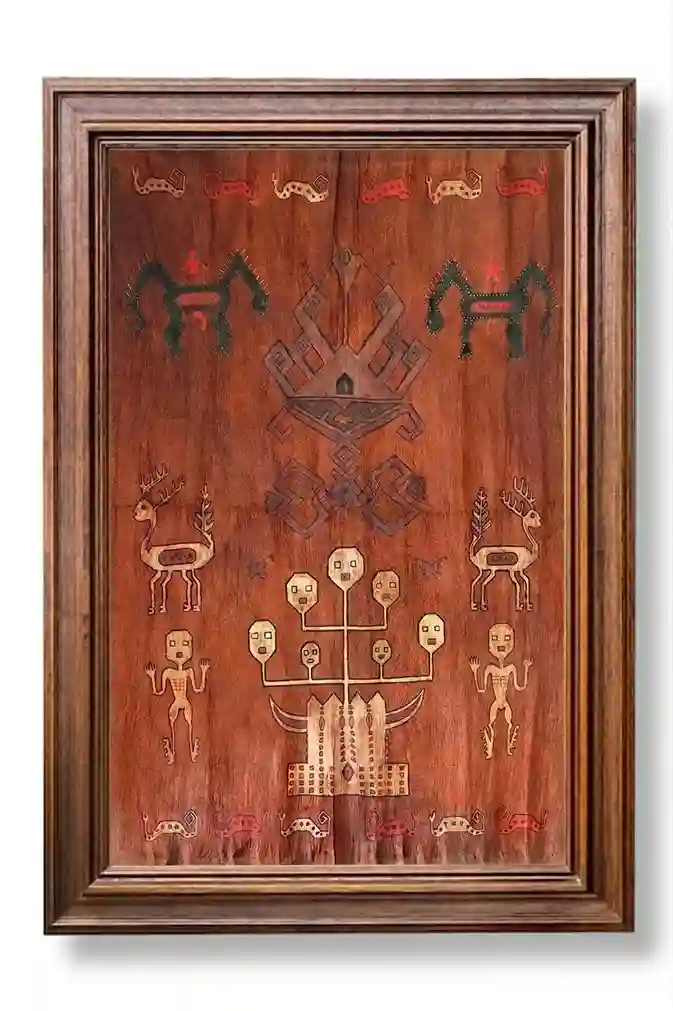
“Most of what we sell here was born on this island. This piece was not, and I think that is exactly why people stop in front of it. It reminds you Bali is one voice in a much larger conversation.” — Putu Sucipta, Owner, Arts of Bali This Sumba barkcloth textile is the clearest reminder […]
How to Recognize the Real Arts of Bali Gallery in Seminyak
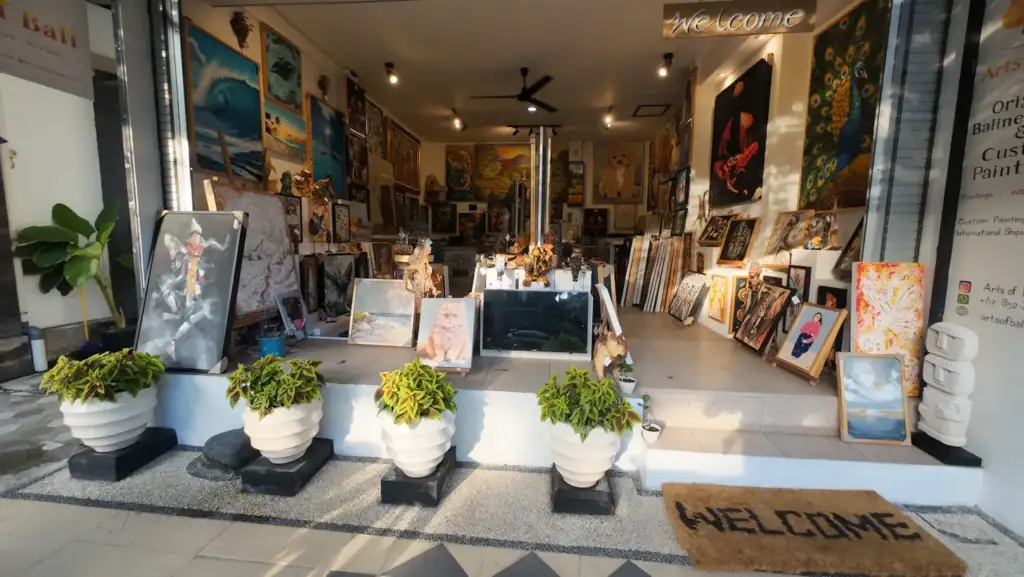
The Arts of Bali gallery is an art gallery at Jl. Raya Seminyak No. 42, Kuta, Badung, Bali 80361, owned and curated by Putu Sucipta. It sells original Balinese paintings, wood carvings, and metal art, and every original painting is sold with a certificate of authenticity. Its logo, an orange and gold frangipani above the […]
Gebogan Bali: How the Offering Tower Is Built, Layer by Layer
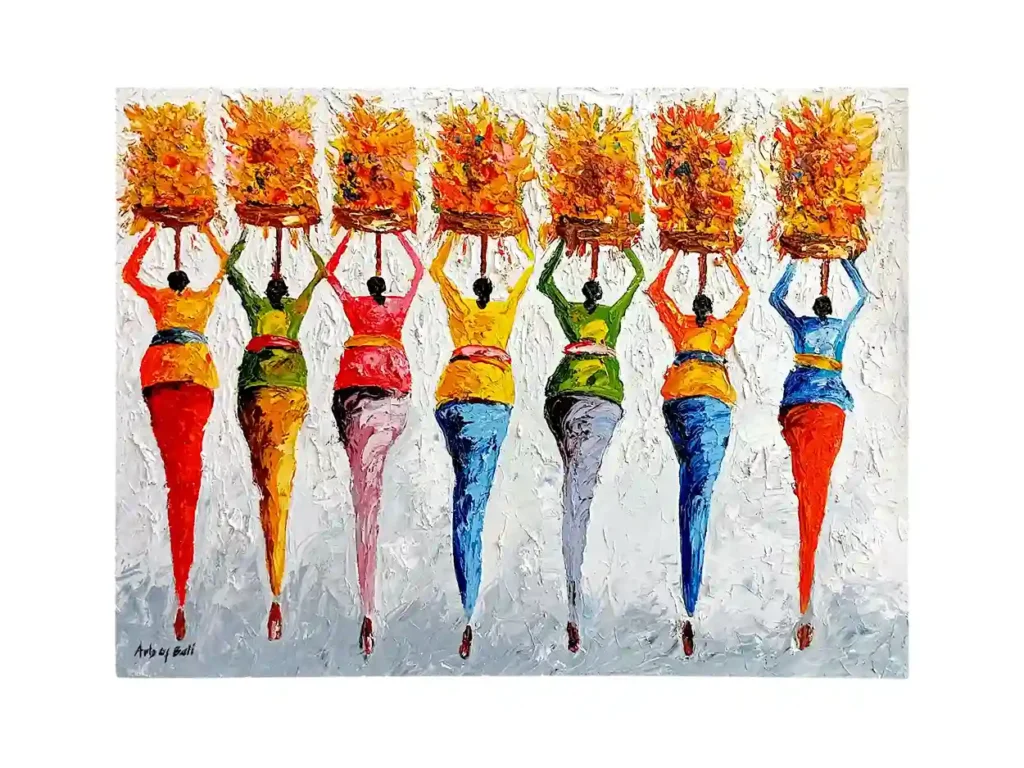
A gebogan bali is a towering offering built from fruit, rice cakes, and flowers, stacked in a cone shape on a wooden base and carried on a woman’s head to the temple. It is not simply decorative: every layer, from the woven palm base to the flower crown, follows a specific order, and the cone […]
Lotus in Balinese Art: Padma, Padmasana, and the Nine Gods
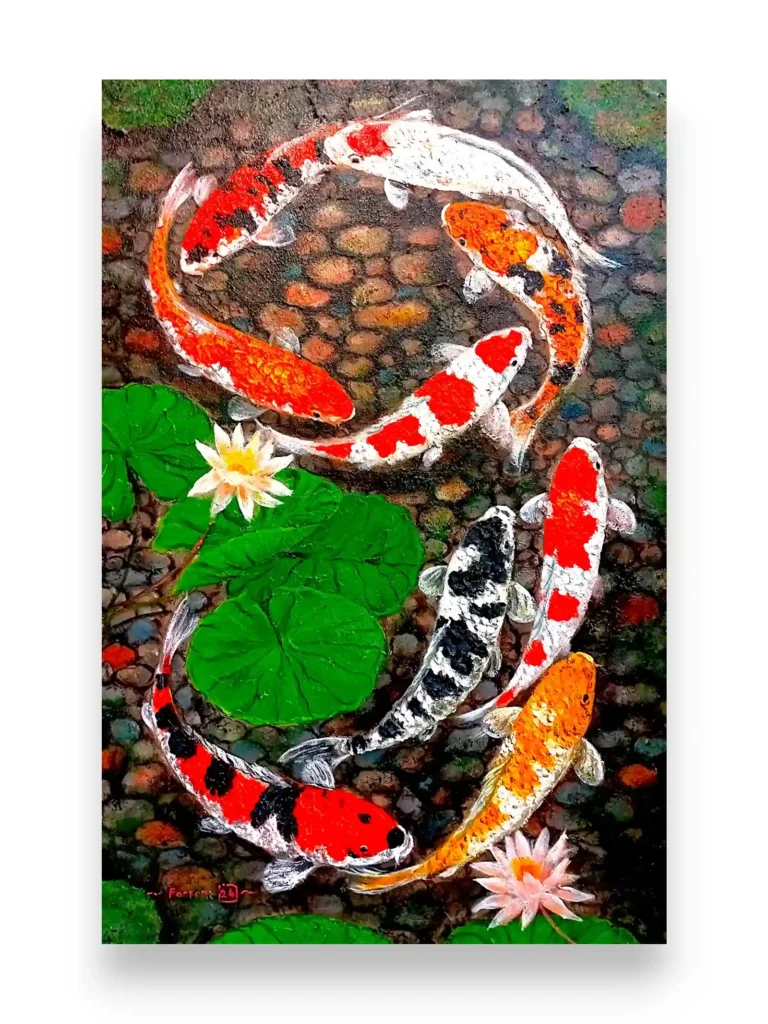
Lotus in Balinese art, called padma in Sanskrit and Kawi, is far more than a decorative flower: it lends its name to Bali’s holiest shrine, sits at the center of a nine-god cosmological diagram, and shows up in the colors of offerings laid out across the island every single day. Key Takeaways Padmasana, the tallest […]
Pura Ulun Danu Beratan: Bali’s Temple Behind the 50,000 Rupiah Note
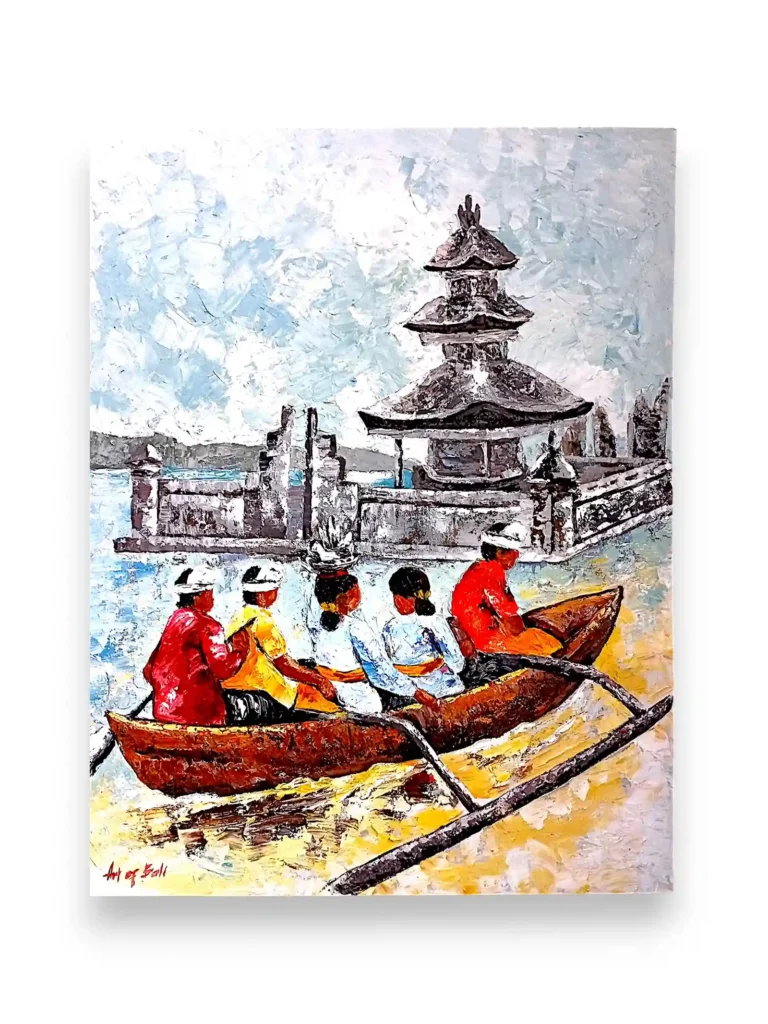
Pura Ulun Danu Beratan is Bali’s water temple on the shore of Lake Beratan in the Bedugul highlands, built around 1633 by a king of the Mengwi kingdom to honor Dewi Danu, the Balinese goddess of lakes and rivers. Its cluster of pagoda-roofed meru shrines, reflected in the lake behind them, is one of the […]